
Samples / NURS FPX 4055 / Assessment 4
Assessment 4: Health Promotion Plan Presentation
Visual Preview
Click the preview to enlarge it. Use the arrows to browse all 14 slides. The sample text continues below.
NURS FPX 4055 · Assessment 4
Sample for study and reference. Ace My Assessment is an independent academic support service.
Health Promotion Plan Presentation
Slide 1:
Hi, I am a community nurse here today to walk you through a health promotion plan focused on preventing and addressing workplace harassment.
Slide 2:
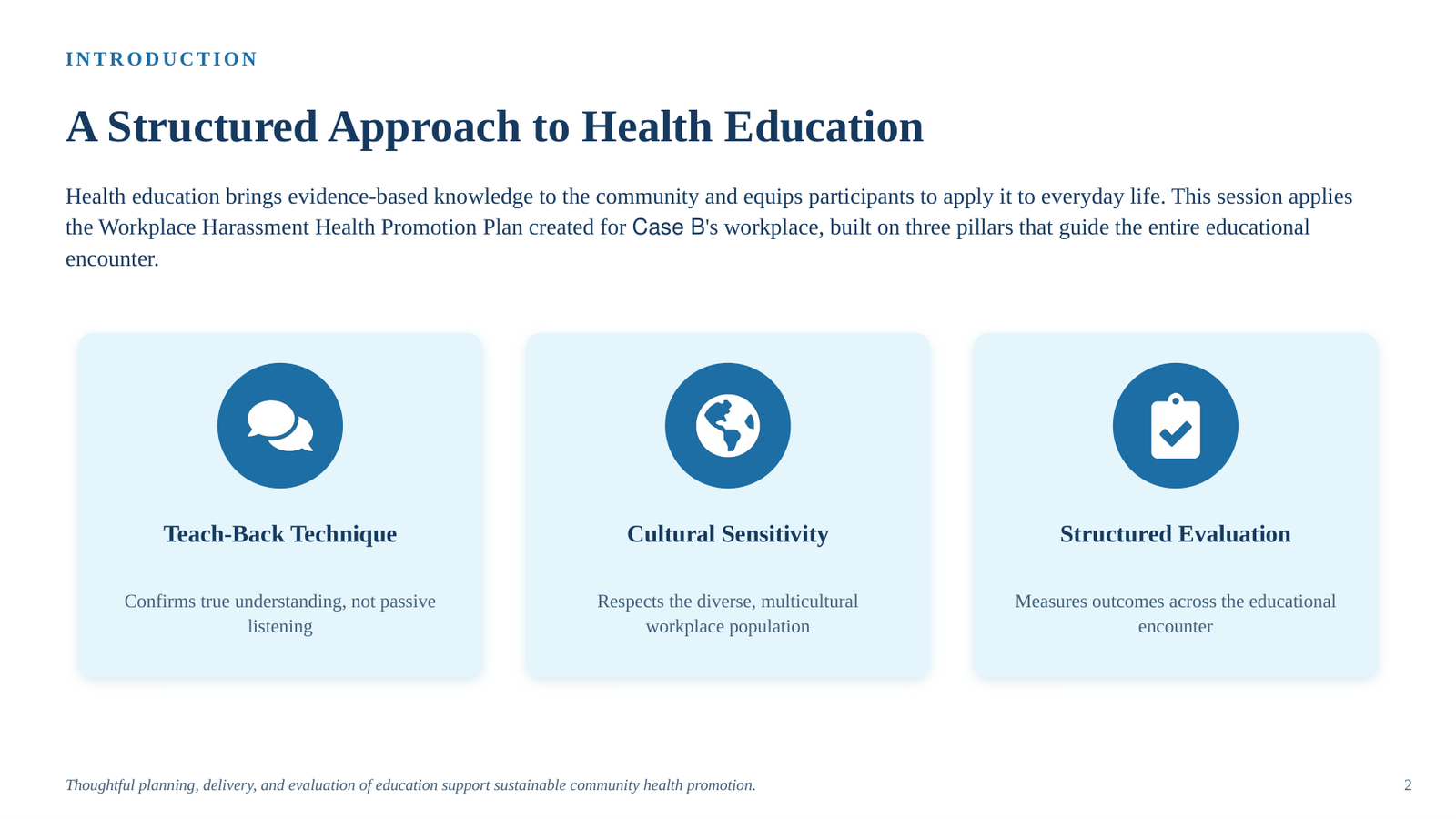
Health education brings evidence-based knowledge to the community and equips them to apply the knowledge to their everyday lives. This presentation is an application of the Workplace Harassment Health Promotion plan that was created for the Participant B workplace in Assessment 1. The session utilizes teach-back techniques, cultural sensitivity and structured evaluation, as a process for the entire educational encounter. Thoughtful planning, delivery and evaluation of education is crucial for a nurse to make education a means to support the health of the population in a sustainable manner.
Presenting a Health Promotion Plan Tailored for Participant B
Slide 3:
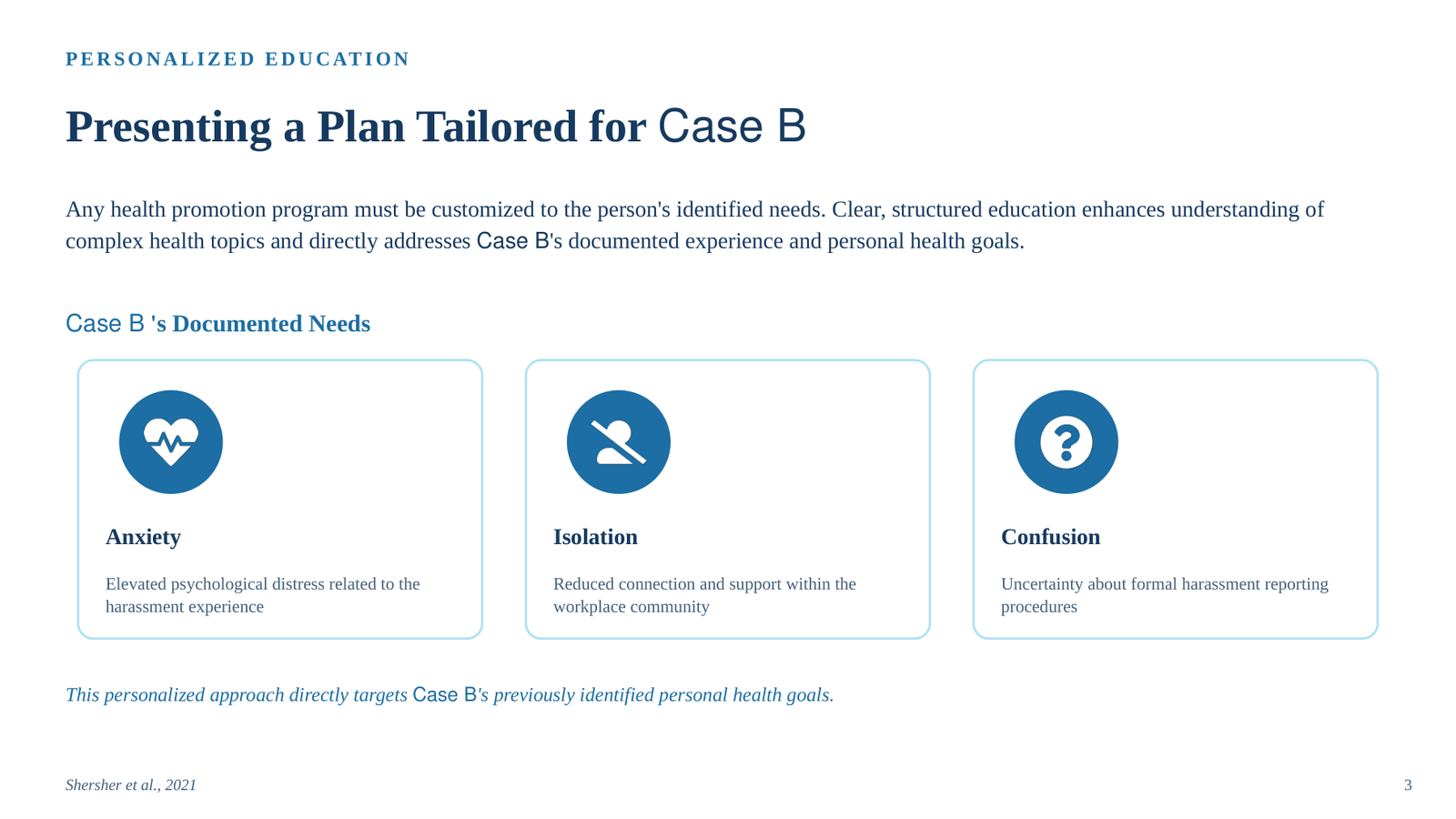
Any health promotion program needs to be customized to the person's own identified needs. The plan specifically targets the documented anxiety, isolation and confusion regarding formal harassment reporting procedures experienced by Participant B. Clear and actionable structured education enhances patient and community understanding of complex health-related topics (Shersher et al., 2021). This personalized approach will directly address Participant B's individual previously identified personal health goals.
Slide 4:
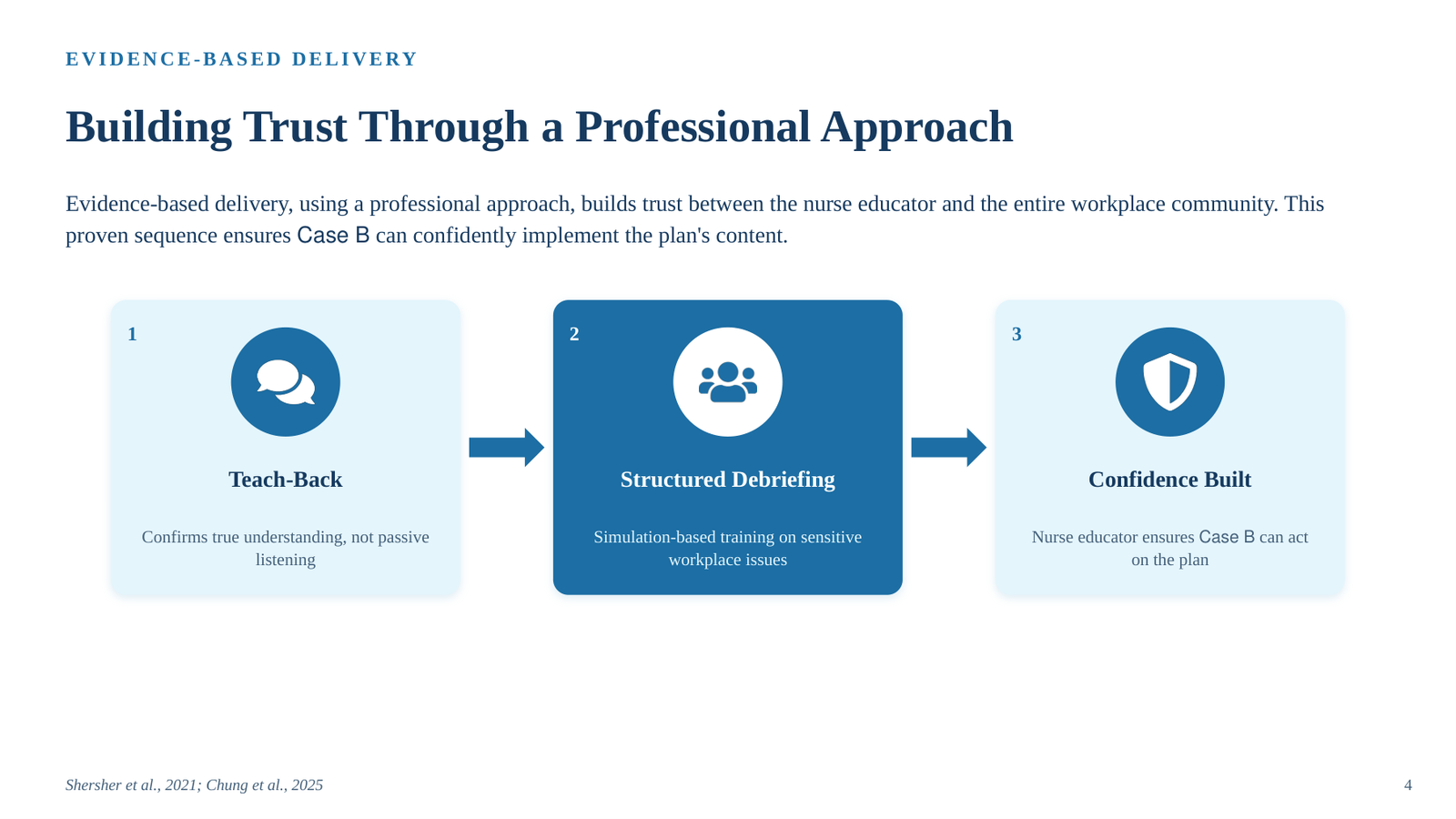
Use of evidence-based delivery, using a professional approach, builds trust between the nurse educator and the entire workplace community participant. Participant B uses teach-back to ensure true understanding, not passive listening (Sher sher et al. 2021). Structured debriefing & simulation-based training boosts confidence in handling sensitive issues on workplace safety (Chung et al., 2025). This is an evidence-based teaching strategy that helps ensure that Participant B can confidently implement the plan's content.
Culturally Sensitive, Professional Delivery
Slide 5:
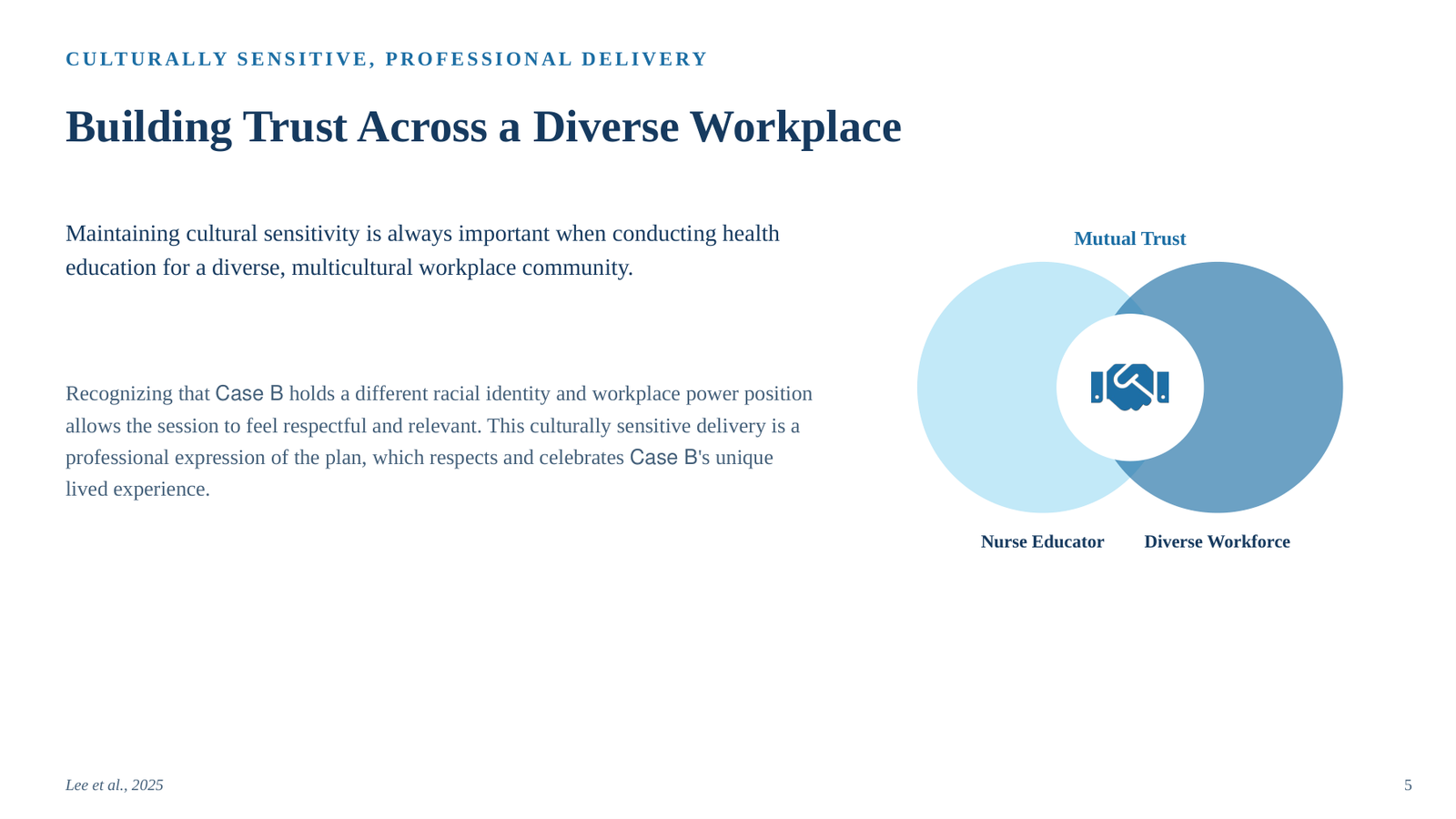
Maintaining cultural sensitivity is always important when conducting health education to a workplace community population that is diverse and multicultural. Participant trust and engagement are enhanced in culturally diverse educational healthcare environments (Lee et al., 2025). You can take steps to make the session feel respectful and relevant by recognizing that Participant B is of a different race and holds power at work. This culturally sensitive delivery is an elegant and professional expression of the plan, which respects and celebrates the plan's unique lived experience, Participant B.
Evaluating Educational Session Outcomes and Attainment of Health Goals
Slide 6:
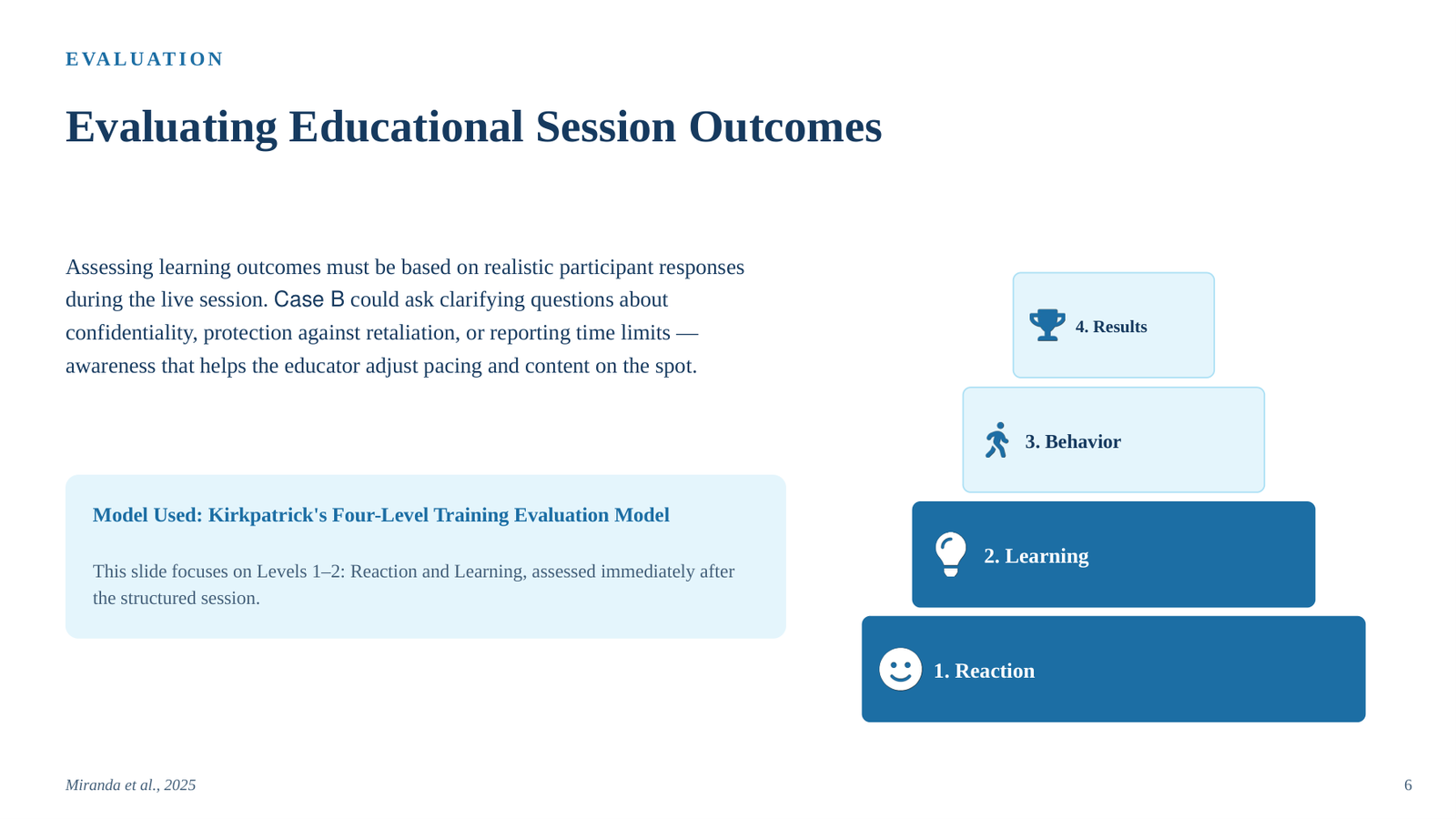
Assessing the outcomes of learning must be based on the realistic responses that the participants in the entire live session could be expected to make. Participant B could ask clarifying questions about confidentiality, the protection against retaliation, or the formal reporting process time limit. Kirkpatrick's framework assesses reaction and learning levels right after a structured nursing education session (Miranda et al., 2025). Being aware of this participant response helps the nurse educator ensure that the pacing and content are understood on the spot.
Slide 7:
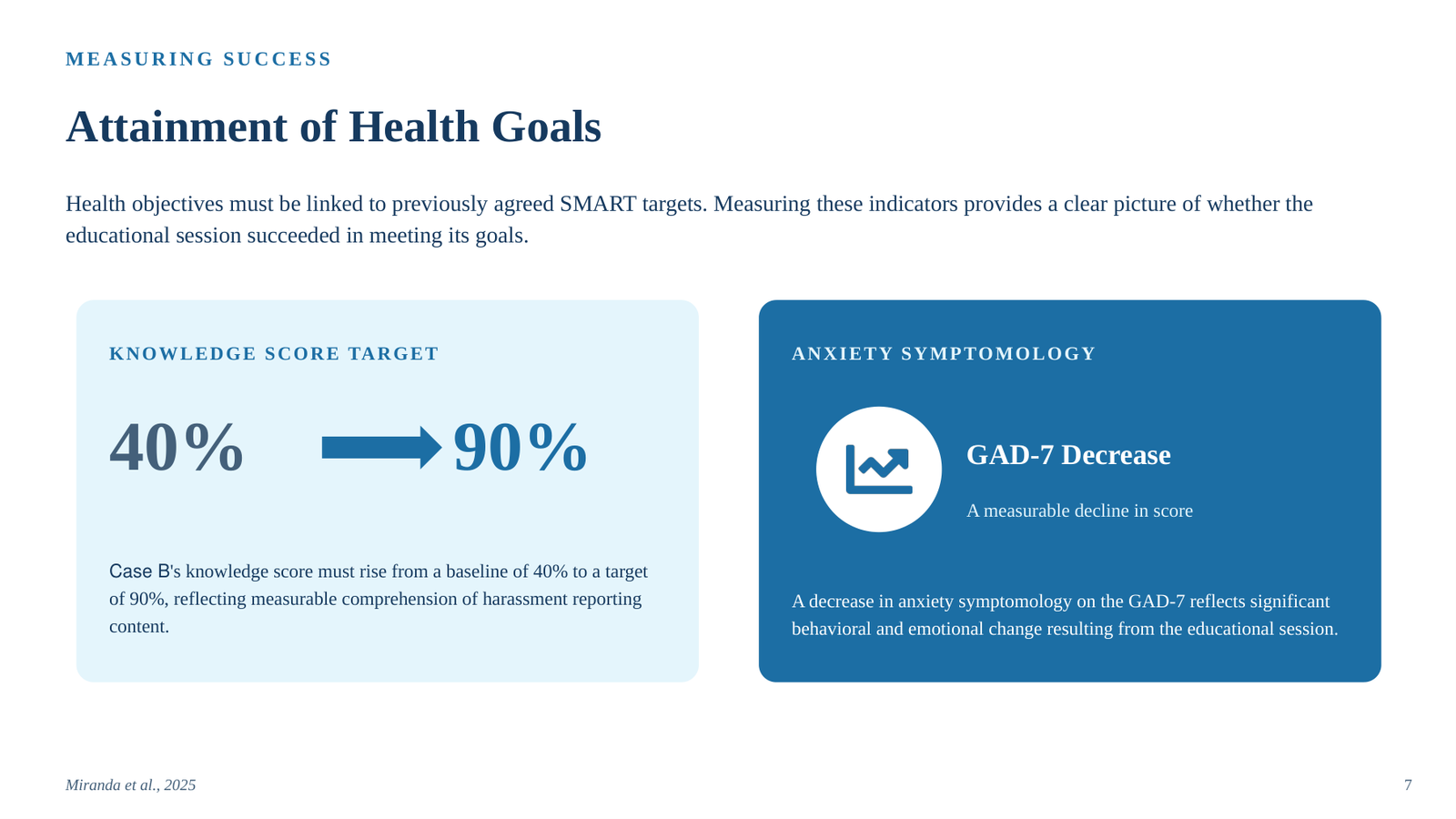
The targets for agreed health objectives need to be linked to the previous SMART targets. Participant B's knowledge score must be raised from 40% to 90%. A decrease in anxiety symptomology on the GAD-7 would reflect significant behavioral and emotional changes (Miranda et al., 2025). Measuring these indicators provides a clear picture of whether or not the educational session was successful in meeting its goals.
Revisions for Future Educational Sessions
Slide 8:
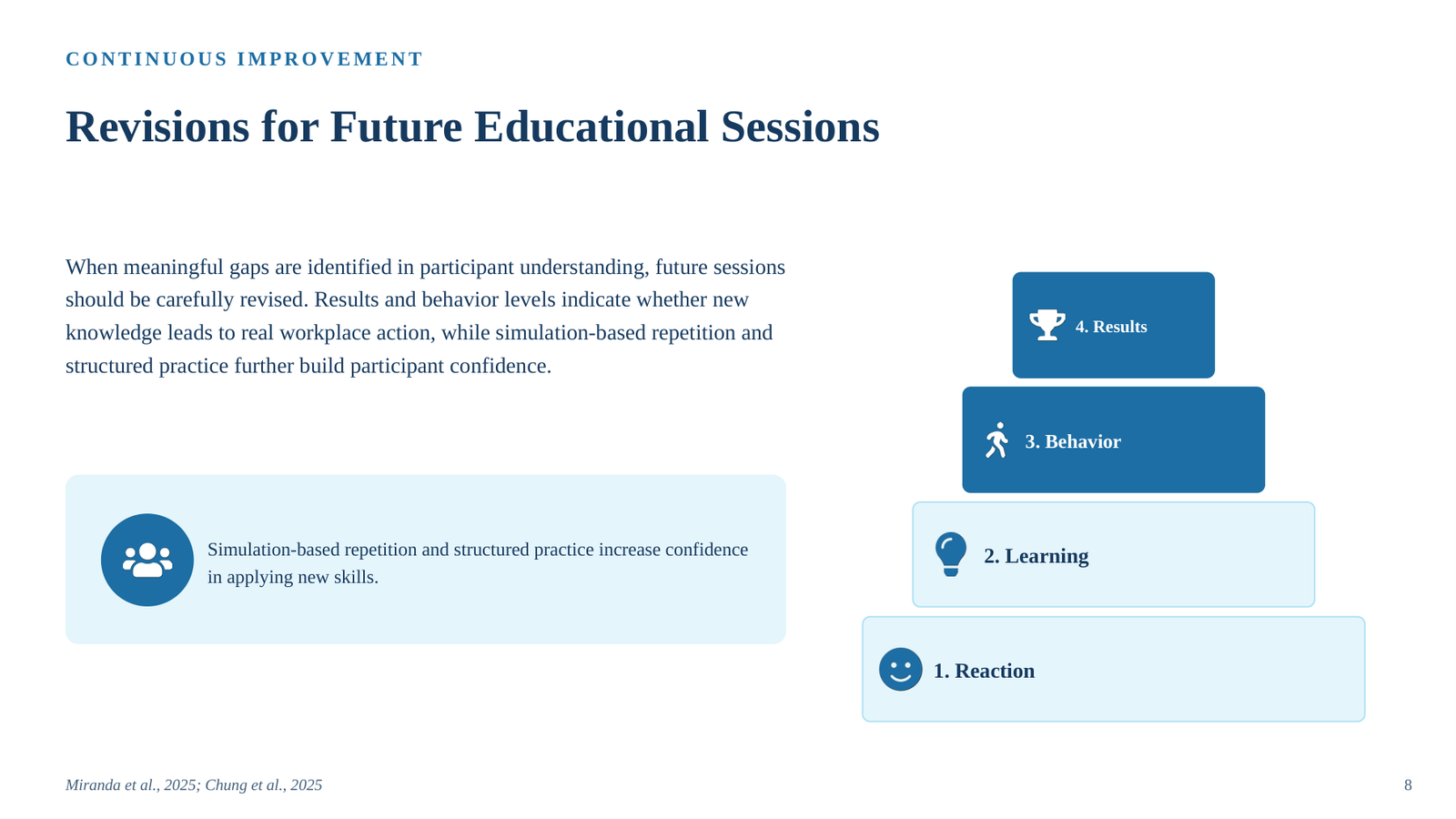
When meaningful gaps are identified in overall participant understanding, the educational sessions of the future should be carefully revised. The results and behaviour levels of Kirkpatrick's model indicate whether or not new knowledge leads to actual action in the workplace (Miranda et al., 2025). Participants' confidence in using new skills is further increased through simulation-based repetition and structured practice (Chung et al., 2025). These revisions are important for allowing subsequent sessions to better meet any identified needs in formal evaluations.
Evaluating Outcomes in Terms of Healthy People 2030 Objectives and Leading Health Indicators
Slide 9:
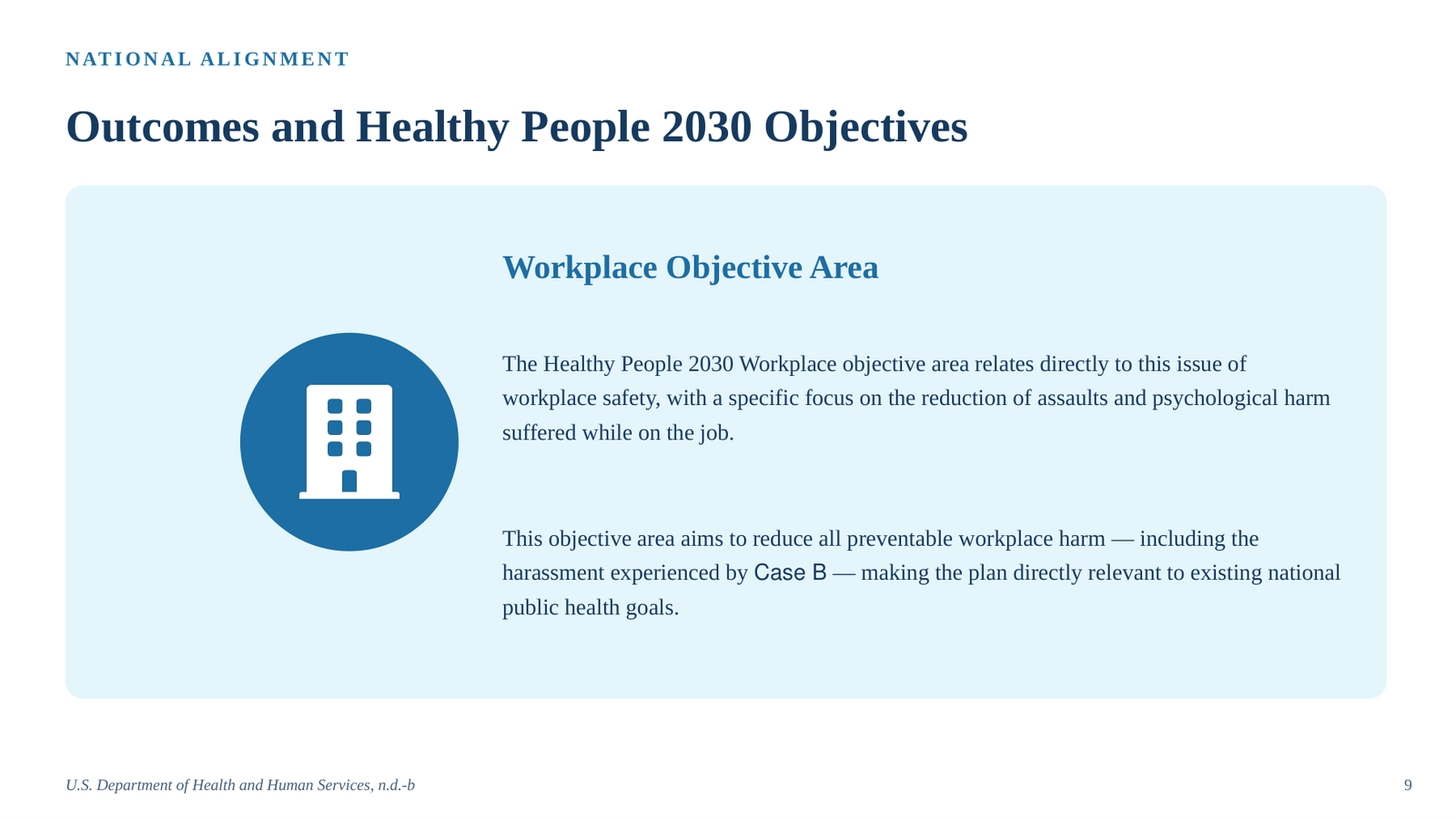
The Healthy People 2030 objectives relate directly to this issue of workplace safety. The Workplace objective area has a specific focus on the reduction of assaults and psychological harm suffered while on the job (U.S. Department of Health and Human Services, n.d.-b). The objective area aims to reduce all preventable workplace harm, including harassment, which is experienced by Participant B. Such a focus makes it even more relevant to existing national public health goals.
Slide 10:
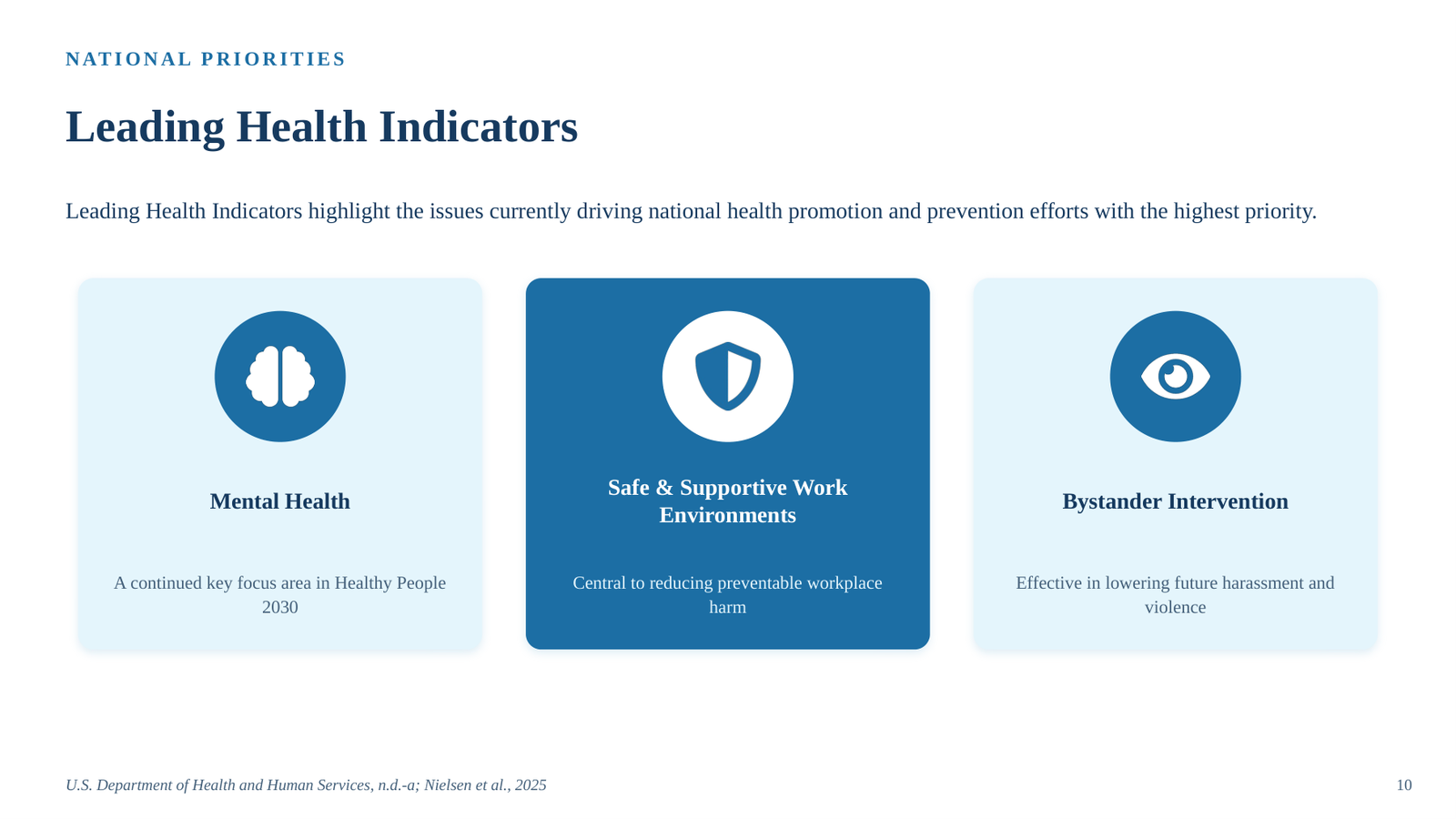
Leading Health Indicators highlight those issues currently driving national health promotion and prevention efforts with the highest priority. Mental Health and safe and supportive work environments continue to be key focus areas in Healthy People 2030 (U.S. Department of Health and Human Services, n.d.-a). Bystander interventions and policy changes are effective in lowering the incidence of harassment and violence in the future (Nielsen et al., 2025). This alignment shows how the individual plan is relevant to a much wider population health objective.
Revisions to Align Future Sessions With Healthy People 2030 Objectives
Slide 11:
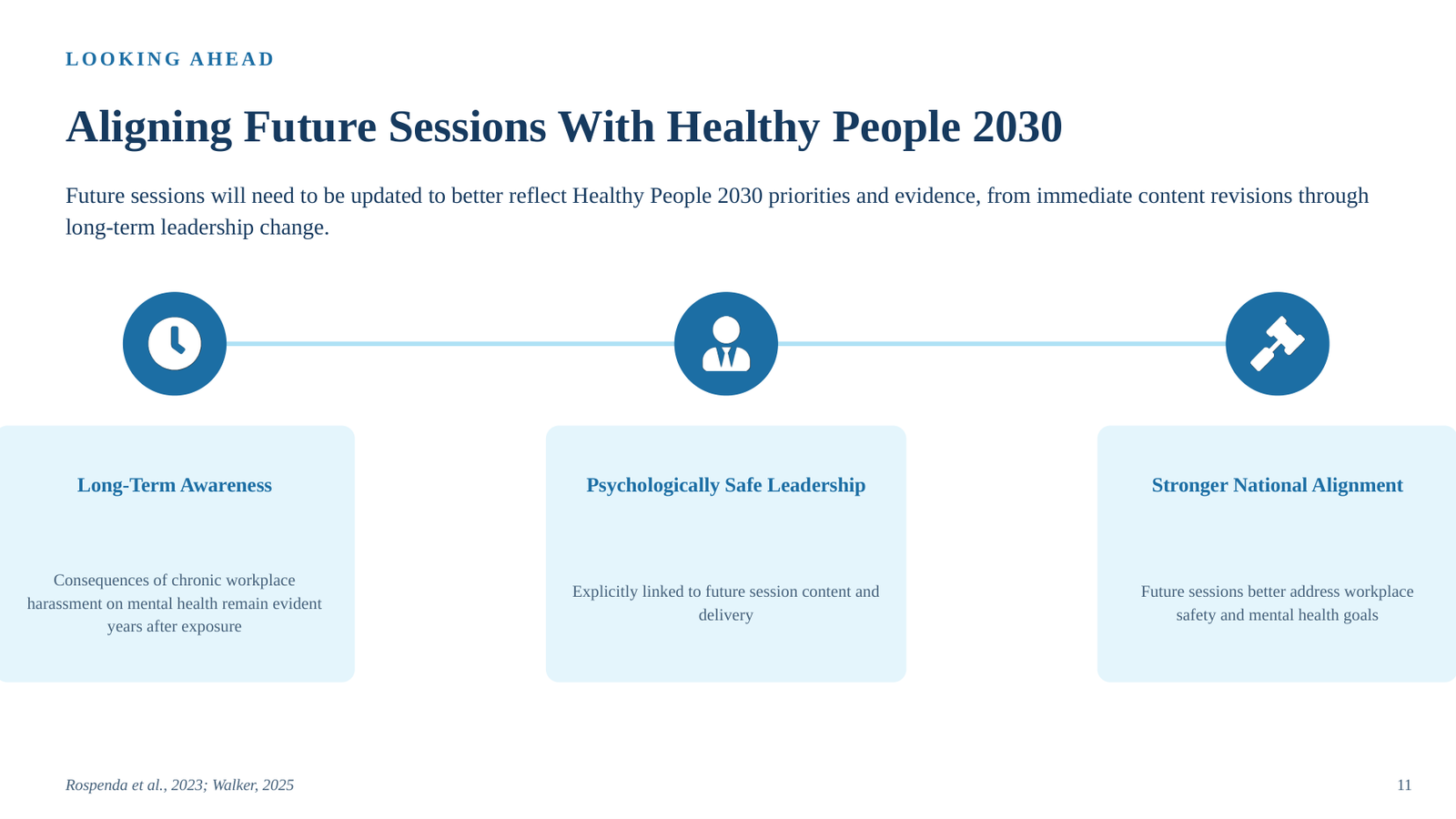
Future sessions will need to be updated to better reflect Healthy People 2030 priorities and evidence. Long-term consequences of mental health problems from chronic workplace harassment are evident years after exposure to the harassment (Rospenda et al., 2023). Therefore, the implementation of a psychologically safe leadership style needs to be more explicitly associated with future sessions content (Walker, 2025). Future sessions would be better suited to address national workplace safety and mental health goals with these revisions.
Conclusion
Slide 12:
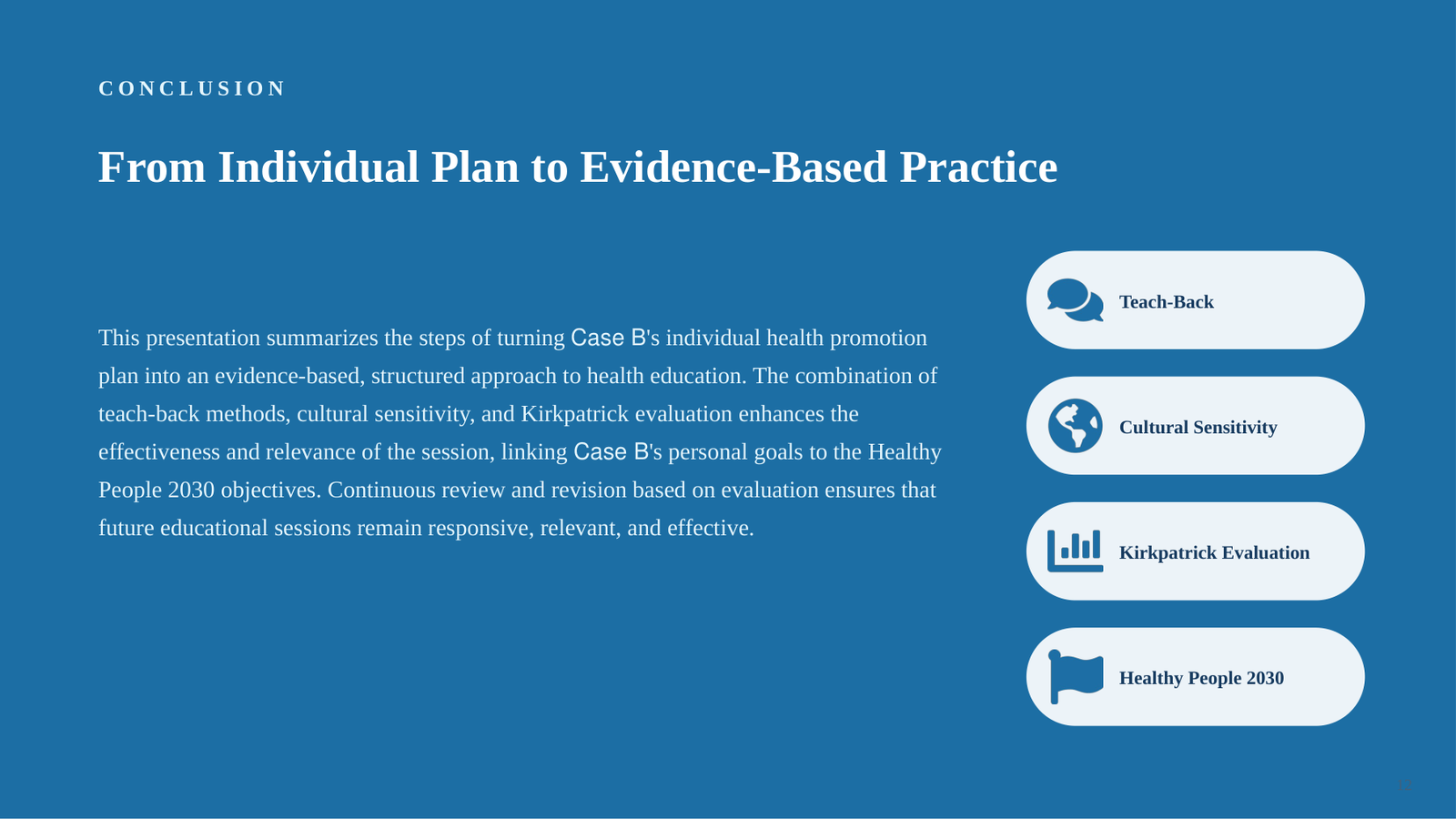
This presentation summarises the steps of turning Participant B's individual health promotion plan into an evidence-based, structured approach to health education teaching. The combination of teach-back methods, cultural sensitivity, and Kirkpatrick evaluation further enhances the effectiveness and relevance of the session. This is a great way to link Participant B's personal goals to the Healthy People 2030 objectives. Review and revision based on evaluation is continuous, which ensures that future educational sessions are responsive, relevant and effective.
References
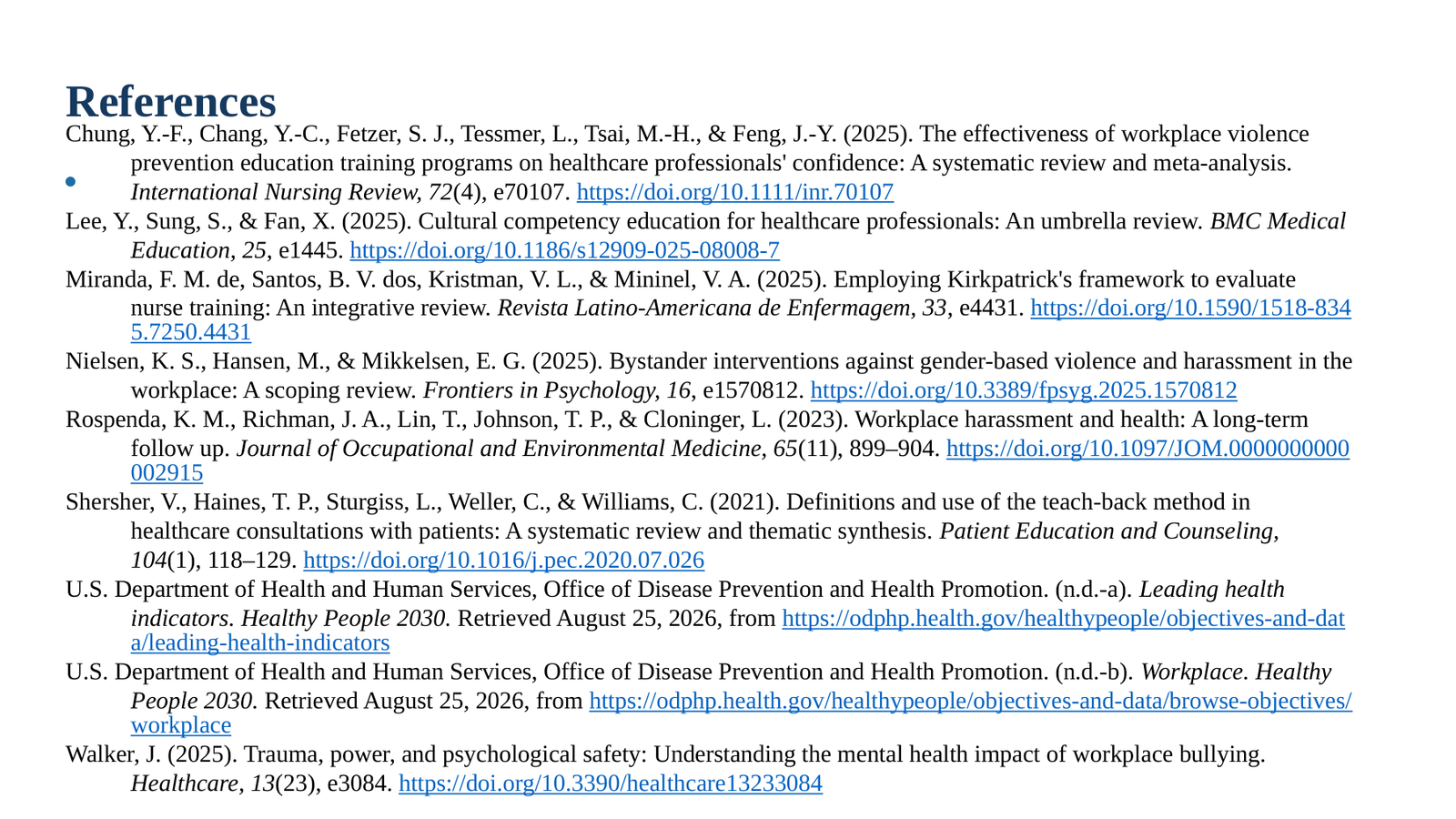
Chung, Y.-F., Chang, Y.-C., Fetzer, S. J., Tessmer, L., Tsai, M.-H., & Feng, J.-Y. (2025). The effectiveness of workplace violence prevention education training programs on healthcare professionals' confidence: A systematic review and meta-analysis. International Nursing Review, 72(4), e70107. https://doi.org/10.1111/inr.70107
Lee, Y., Sung, S., & Fan, X. (2025). Cultural competency education for healthcare professionals: An umbrella review. BMC Medical Education, 25, e1445. https://doi.org/10.1186/s12909-025-08008-7
Miranda, F. M. de, Santos, B. V. dos, Kristman, V. L., & Mininel, V. A. (2025). Employing Kirkpatrick's framework to evaluate nurse training: An integrative review. Revista Latino-Americana de Enfermagem, 33, e4431. https://doi.org/10.1590/1518-8345.7250.4431
Nielsen, K. S., Hansen, M., & Mikkelsen, E. G. (2025). Bystander interventions against gender-based violence and harassment in the workplace: A scoping review. Frontiers in Psychology, 16, e1570812. https://doi.org/10.3389/fpsyg.2025.1570812
Rospenda, K. M., Richman, J. A., Lin, T., Johnson, T. P., & Cloninger, L. (2023). Workplace harassment and health: A long-term follow up. Journal of Occupational and Environmental Medicine, 65(11), 899–904. https://doi.org/10.1097/JOM.0000000000002915
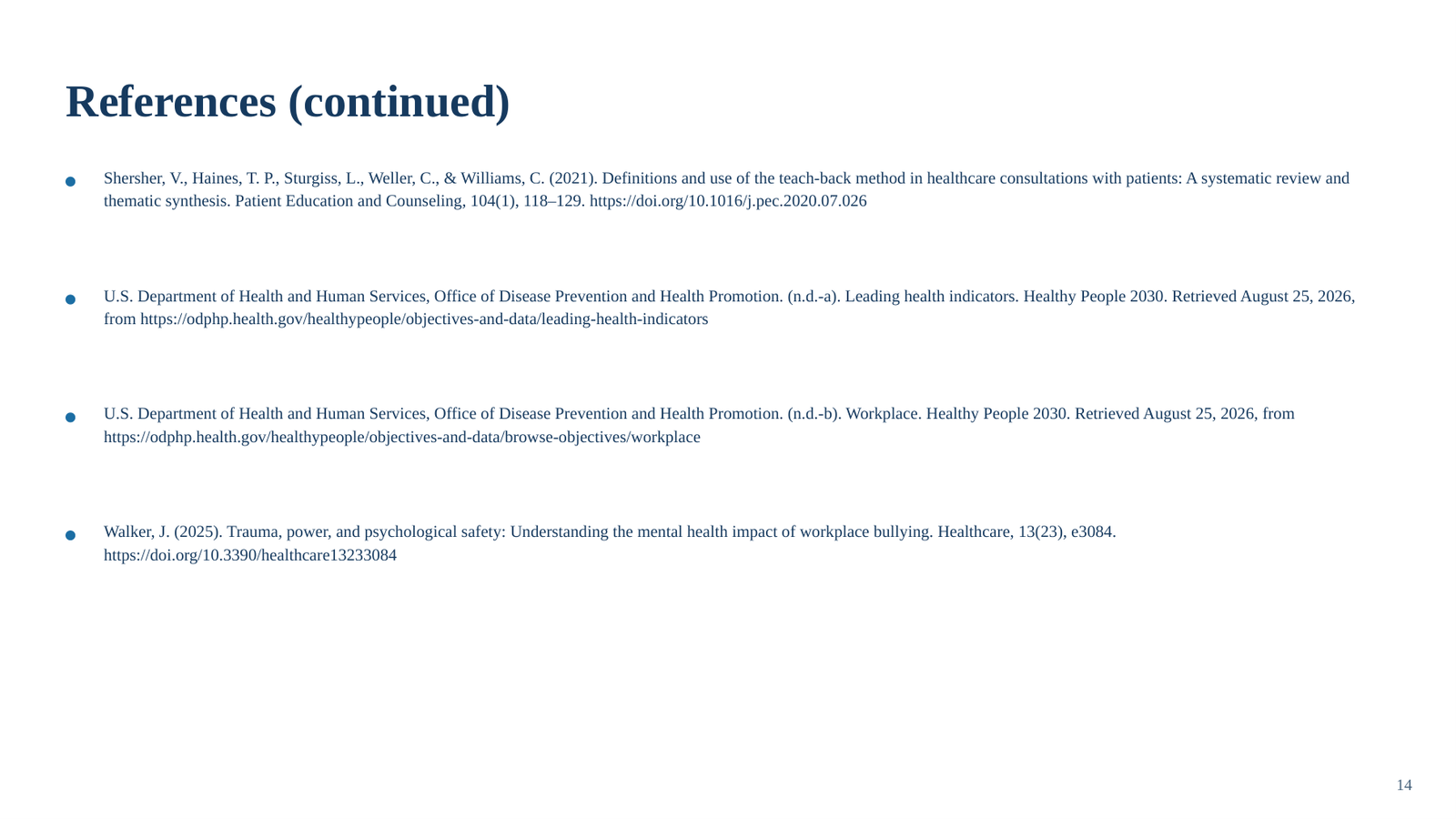
Shersher, V., Haines, T. P., Sturgiss, L., Weller, C., & Williams, C. (2021). Definitions and use of the teach-back method in healthcare consultations with patients: A systematic review and thematic synthesis. Patient Education and Counseling, 104(1), 118–129. https://doi.org/10.1016/j.pec.2020.07.026
U.S. Department of Health and Human Services, Office of Disease Prevention and Health Promotion. (n.d.-a). Leading health indicators. Healthy People 2030. Retrieved August 25, 2026, from https://odphp.health.gov/healthypeople/objectives-and-data/leading-health-indicators
U.S. Department of Health and Human Services, Office of Disease Prevention and Health Promotion. (n.d.-b). Workplace. Healthy People 2030. Retrieved August 25, 2026, from https://odphp.health.gov/healthypeople/objectives-and-data/browse-objectives/workplace
Walker, J. (2025). Trauma, power, and psychological safety: Understanding the mental health impact of workplace bullying. Healthcare, 13(23), e3084. https://doi.org/10.3390/healthcare13233084