
Samples / NURS FPX 4055 / Assessment 4
Health Promotion Plan Presentation
Visual Preview
Click the preview to enlarge it. Use the arrows to browse all 14 slides. The sample text continues below.
NURS FPX 4055 · Assessment 4
Sample for study and reference. Ace My Assessment is an independent academic support service.
Slide 1
Presenting a Community Immunization Health Promotion Plan
Good afternoon, everyone. My name is , and I am a community health nurse working in partnership with your local health clinic. This presentation will provide experts in the field with an evidence-based plan on how to provide immunization educational resources as it applies to families residing in our community to assist them with questions/concerns about vaccinations for their children. Today's meeting continues ongoing efforts to provide every family in our community with access to factual, compassionate, and culturally appropriate health information.
Slide 2
Health Promotion Plan Tailored to the Community
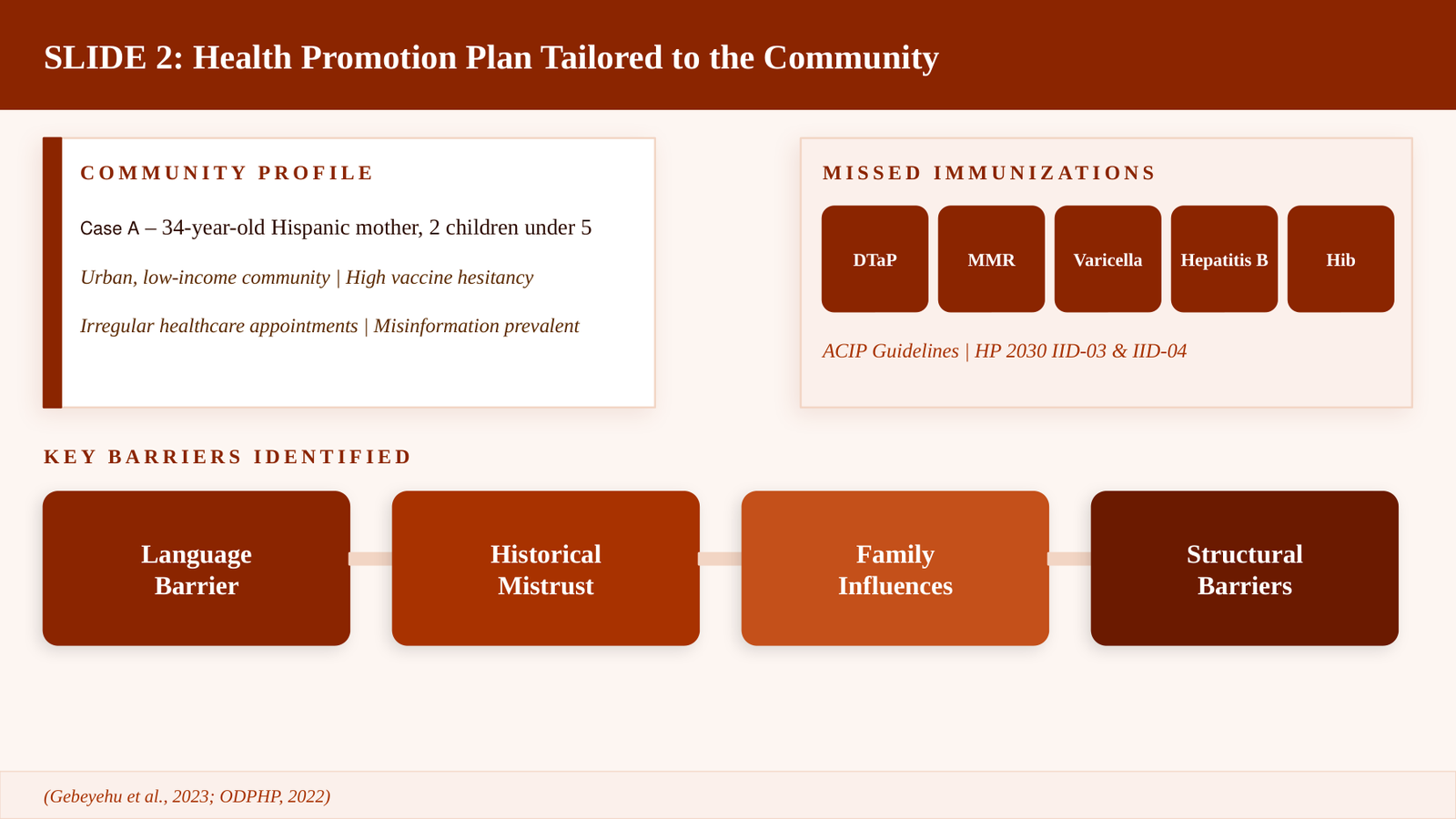
Communities in the United States still have large gaps in childhood immunization rates, and these imbalances are especially clear for Hispanic families who live in urban areas with a low income level and limited access to health care. Participant A is a 34-year-old Hispanic mother with two children under five who lives in a community where there is high vaccine hesitancy, and there are lots of inconsistencies in health care appointments. Misinformation regarding vaccines is also very common between friends and relatives. Research shows that barriers related to language, a historical mistrust of medical care, and influences from family members regarding vaccines among other things, are the reasons why many Hispanic people are not receiving vaccinations in a timely manner (Gebeyehu et al., 2023). The family that Participant A is part of is an example of many families that are under immunized because of structural, not willful, neglect.
An understanding of the community is the first step to developing a meaningful, tailored health promotion plan that will create measurable change. Participant A's children have only received their initial newborn immunizations and are significantly behind on recommended vaccination schedules for DTaP, MMR, varicella, hepatitis B, and Hib, which meet the recommendations of Advisory Committee on Immunization Practices (ACIP) guidelines, and the related goals of Healthy People 2030 IID-03 and IID-04 (Office of Disease Prevention and Health Promotion [ODPHP], 2022). The session has been developed to be culturally competent, linguistically accessible, and evidence-based at each step so that Participant A, and families like hers, will get the individual attention needed to make confident decisions about whether or not to vaccinate their children.
Slide 3
Vaccine Basics: Building Immune Protection
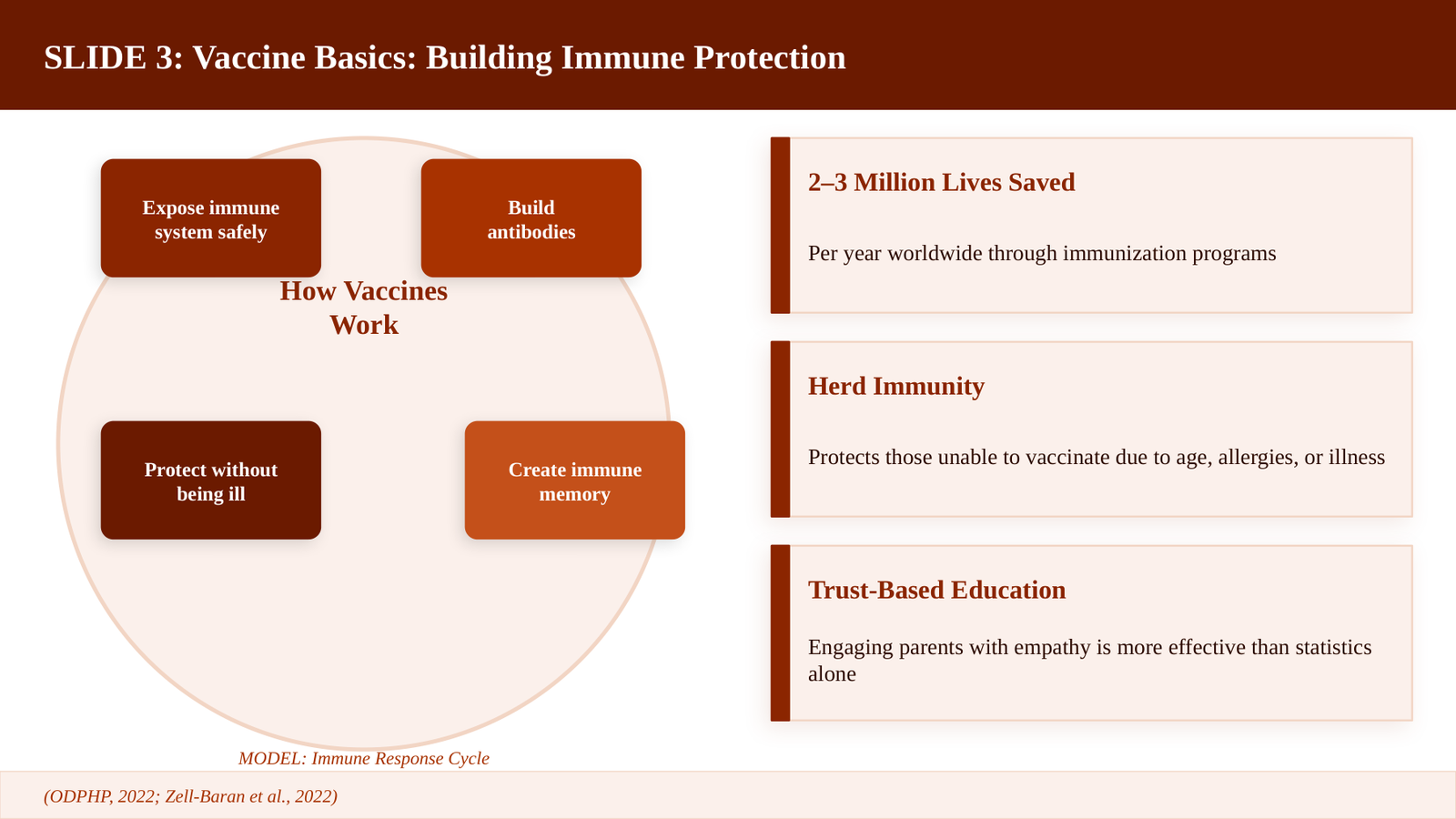
Vaccination provides biological preparation for training an immune system to recognize and respond to a specific pathogen and provides immunity against damaging illnesses without the person having to experience that illness first. Herd Immunity will prevent the spread of disease, in the presence of sufficient vaccination levels within a community, to those unable to receive a vaccine due to age, allergies or immunocompromising conditions. Currently, vaccines prevent approximately two to three million deaths around the world per year according to the World Health Organization, making immunizations one of the most effective methods of reducing childhood morbidity and mortality (ODPHP 2022).
It is vital for Participant A's community to understand the positive health benefits of vaccination so parents will change their hesitation to confidence and eventually act on that confidence. Research supports the use of engaging parents by providing an easy and welcoming explanation of how the vaccine works as the best means to engage vaccine-hesitant parents, rather than using statistics or reasons using excess force to persuade them (Zell-Baran et al. 2022). This use of combining knowledge and building trust will have the most impact on encouraging parents in vaccine-hesitant communities to change their behaviours.
Slide 4
Setting Agreed-Upon, Measurable Health Goals
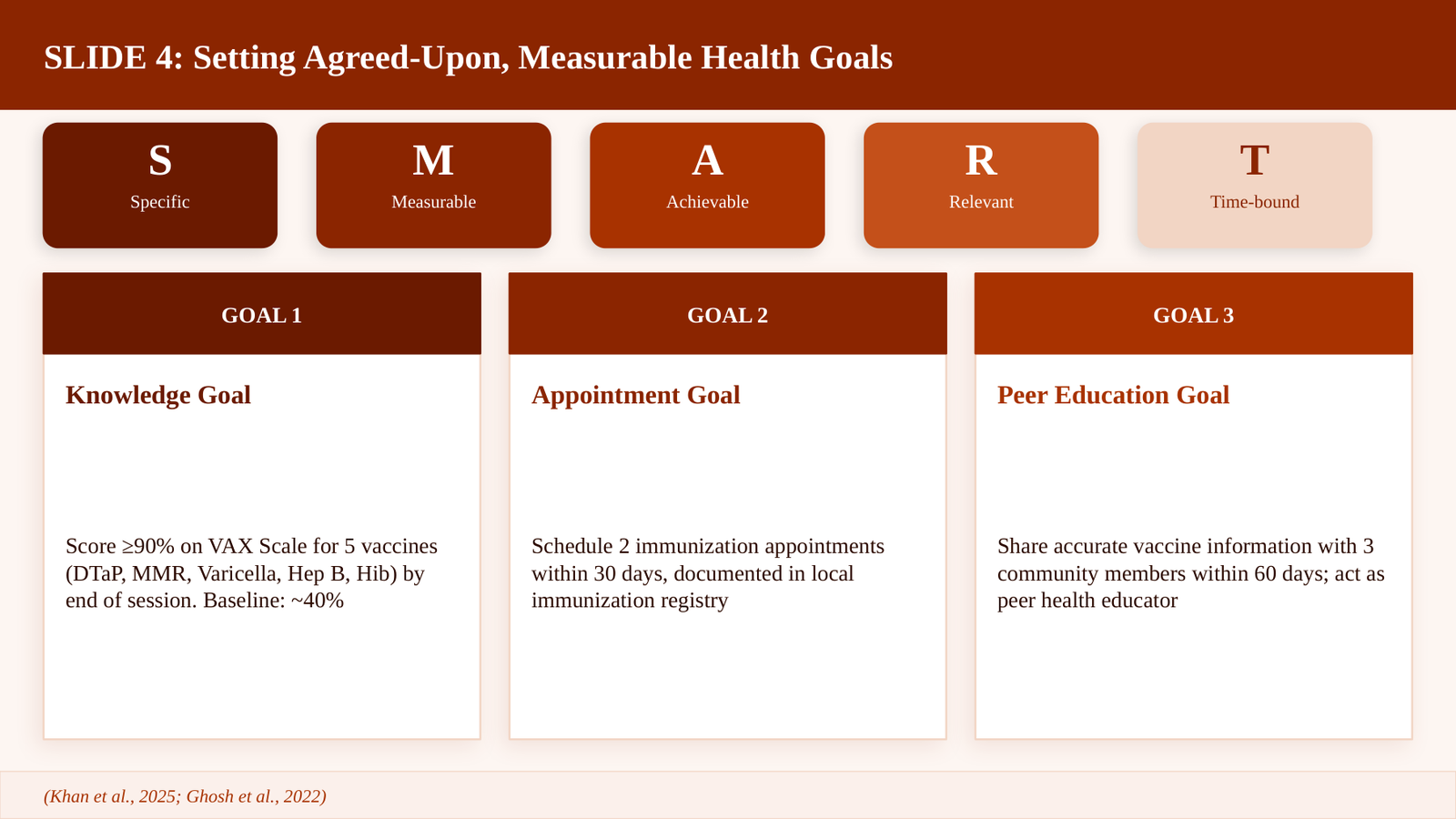
In developing health education goals with Participant A during the performance of these tasks, goals developed with Participant A as mutually agreed to in this process are the first SMART Goal developed together with her, where at the conclusion of the educational session Participant A will correctly demonstrate her knowledge of five (5) evidentially supported childhood immunization schedules including DTaP, MMR, varicella, hepatitis B, and Hib vaccines, and improve the initial knowledge score from an approximate baseline of 40 percent to a minimum of 90 percent as measured by the VAX Scale (Vaccination Attitudinal Exam Scale) for knowledge of these childhood immunization vaccines. The second SMART Goal developed together with Participant A is to schedule two immunization appointments within 30 days of the completion of this educational session for her two children and to have these scheduled appointments documented within the local immunization registry.
Development and use of SMART Goals in setting these goals together with Participant A, rather than placing the goals on her, reinforces her autonomy to determine her individual goals, which is very important in health education for populations who are hesitant to receive vaccinations for their children (Khan et.al., 2025). The third SMART Goal developed together with Participant A is that she will provide correct and accurate vaccine information to three peer community members within 60 days of the completion of this educational session and act as a peer health educator within her social network (Ghosh et.al., 2022). Developing and implementing a peer education model represents the understanding that even though individual behavior change is valuable, the ultimate goal of establishing a population-level effect will occur through the chain effect of individual behavior changes through community social networks.
Slide 5
Evidence-Based Teaching Methods for This Session
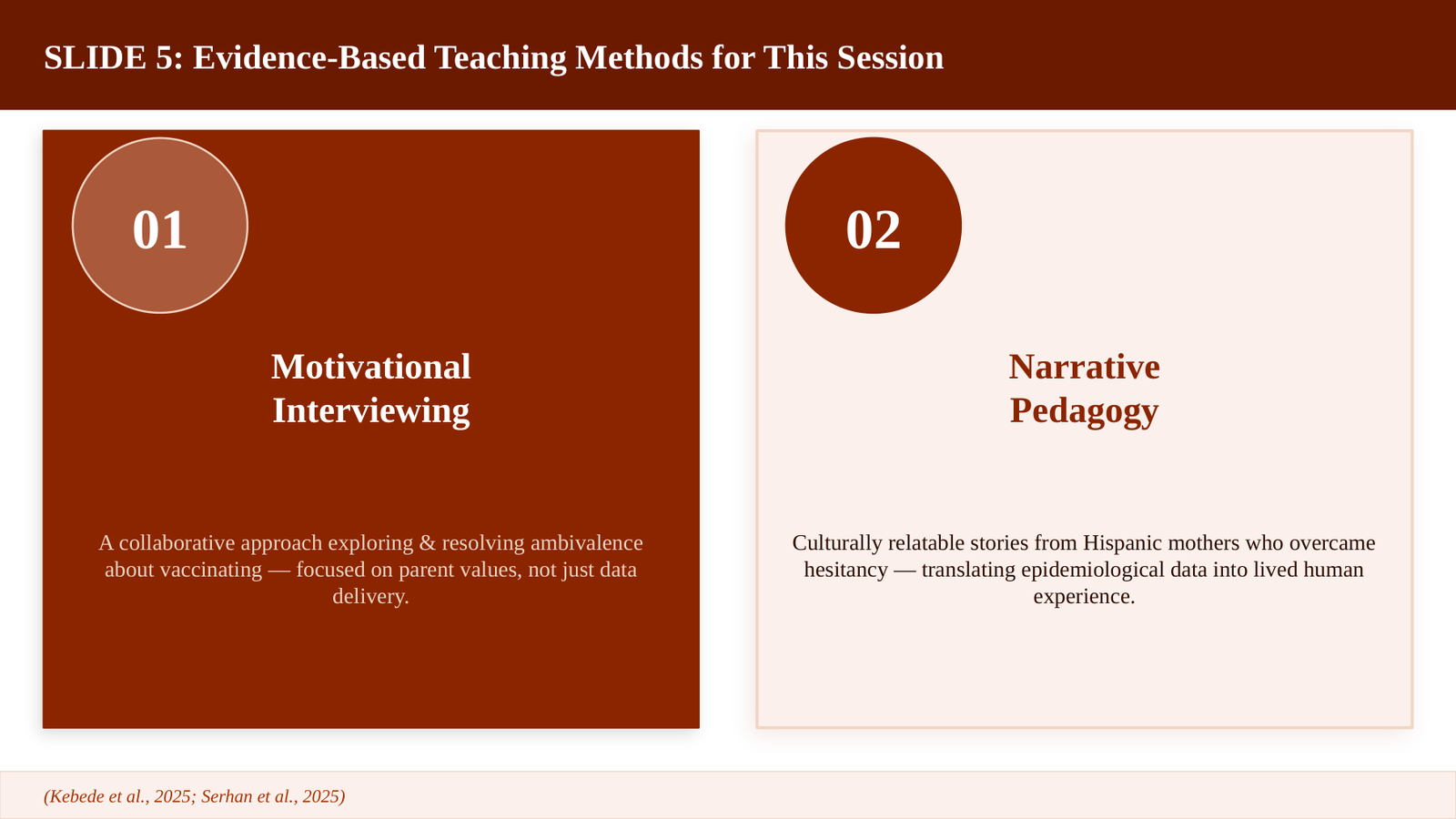
When engaging with communities that hesitate to get vaccinated, choosing the right teaching strategy is just as important as the content itself—we don’t want our approach to come across as judgmental or too clinical, as this can lead to a lack of trust rather than building it. This session will rely on a motivational interviewing framework, which is a collaborative approach to exploring and resolving someone’s ambivalence about vaccinating, focusing on their own values and goals rather than just providing them with information. Research consistently shows that motivational interviewing, as opposed to pure didactic education, is a more effective means of helping decrease vaccine hesitancy, especially when dealing with groups where mistrust in medicine acts as an important barrier (Kebede et al., 2025).
There is storytelling, which is a method based on narrative pedagogy theory, using relatable experiences to link health education to the cultural context of the learner. For Participant A’s community, stories from other Hispanic mothers who experienced vaccine hesitancy and went through the process to have their children protected from vaccine-preventable diseases can be extremely powerful teaching aids, because they are a direct conversion of the abstract nature of epidemiological data into personal experience. Studies on health education in minority populations have shown that culturally tailored, interactive, and dialogue-based education has a significantly greater impact on learner retention, attitude change, and behavior change than static methods of providing information alone, such as brochures (Serhan et al., 2025). All of the teaching strategies that have been utilized in this plan have been carefully selected based upon their evidence base of success with this targeted community audience.
Slide 6
Understanding the Child Immunization Schedule
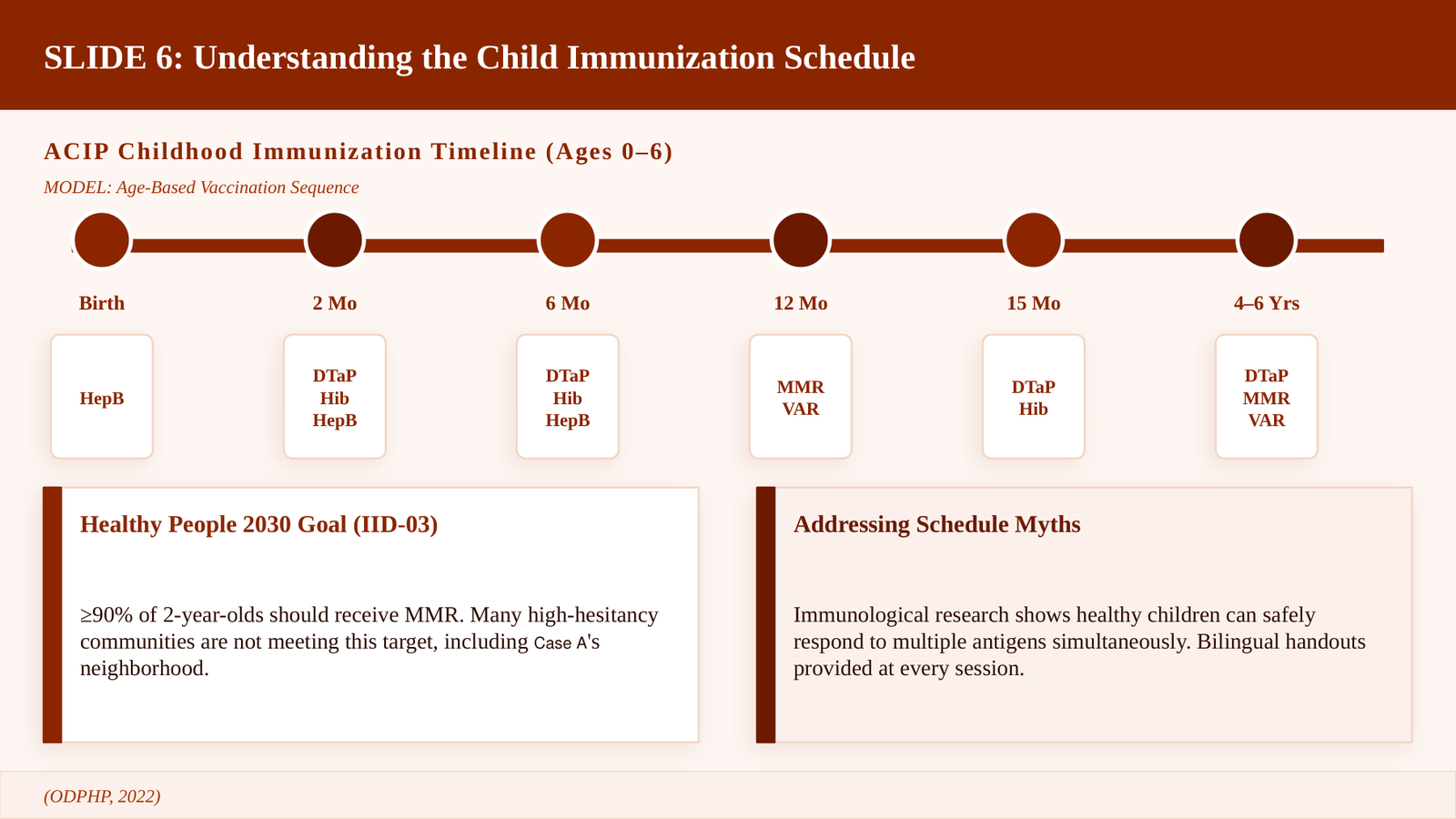
The ACIP and AAP recommend and endorse providing children 0 through 6 years old with a structured, age-specific vaccination plan (immunization schedule) for preventing 14 types of disease for which vaccines are available. Participant A's children are far behind this recommended vaccination schedule and have not been given multiple doses of DTaP, MMR, varicella, hepatitis B or Hib vaccines, and each of these diseases can cause serious illness, hospitalization, or death if a child is unvaccinated. The Healthy People 2030 Initiative IID-03 has set a goal for at least 90% of children (age 2) to receive the first vaccination ([MMR) from the current immunization schedule, but many communities with a high level of vaccine hesitance are not achieving this goal (ODPHP, 2022). During this information session, participants will receive a bilingual handout that includes the immunization schedule as well as a brief description of what disease each immunization protects against.
Addressing vaccine hesitancy's common misconceptions about the immunization schedule is necessary for addressing Participant A's concerns through educational programming. For example, many families are concerned about vaccine schedules being too aggressive (or baby overwhelming because of giving several vaccines at once) and that their child's immune system may not be able to withstand the effects of these vaccines. However, a great deal of immunological research over the years has shown that a healthy child can handle multiple antigens and produce an immune response to multiple antigens at once. Providing parents with accurate, myth-busting information is a primary tenant of effective vaccine communication and predicts increased confidence within parents related to immunizing their children (ODPHP, 2022).
Slide 7
Correcting Myths: Evidence-Based Responses to Vaccine Concerns
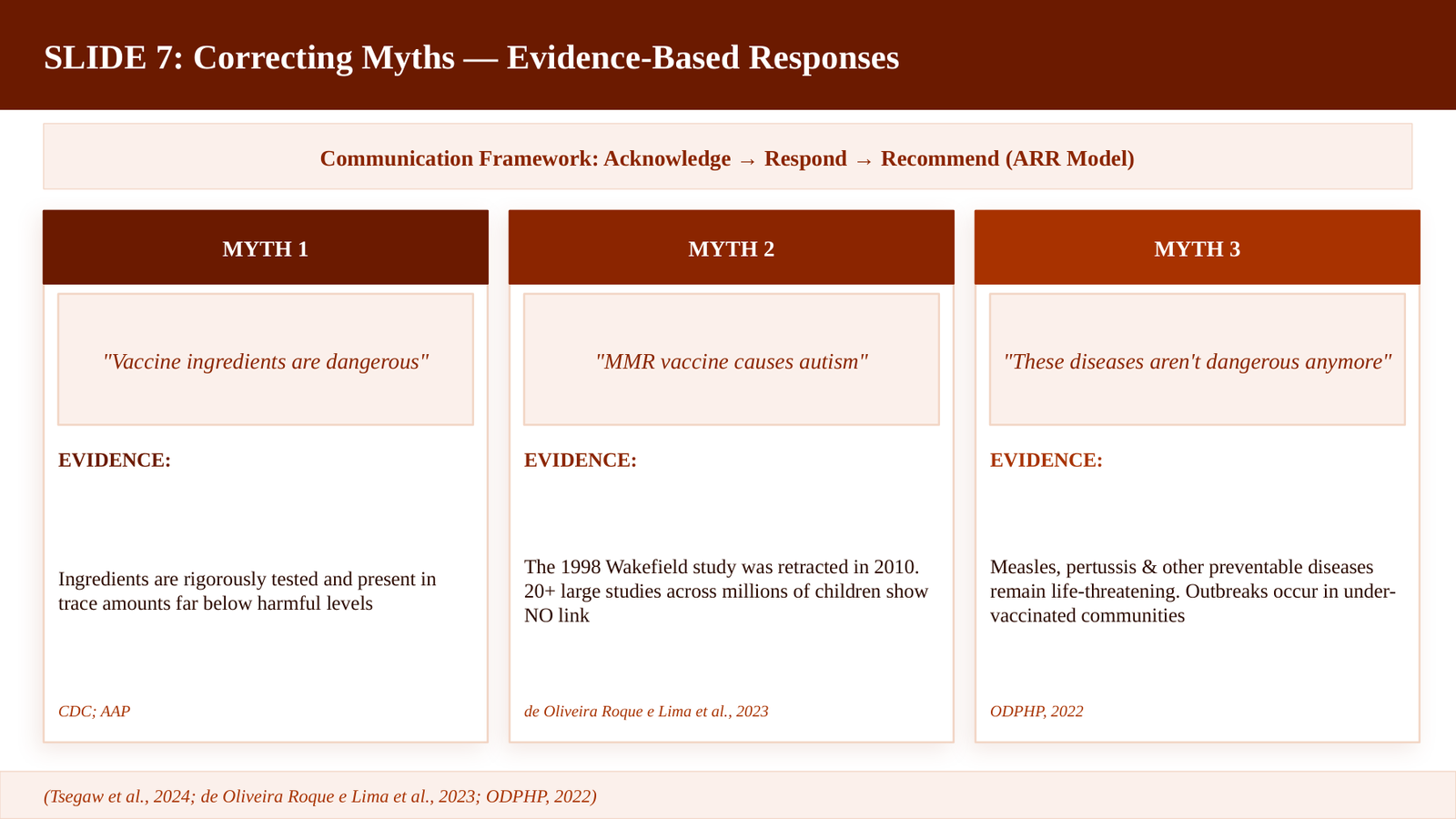
Vaccine misinformation continues to be a major public health concern in today's world since many people still don't know the facts about vaccines despite them being reliable means of preventing infectious disease. In fact, the idea of vaccine misinformation was so urgent that U.S. Surgeon General Surya Moorthy recognized it as a public health emergency in 2021. Subsequent studies have confirmed that exposure to misinformation via social media negatively impacts the intention of people in the population to vaccinating and results in lower rates of vaccination. Participant A has communicated to this group that she has seen misinformation posted in social media about the ingredients in vaccines, the alleged connection between the MMR vaccine and autism, and that diseases that could otherwise be prevented by vaccines are no longer dangerous. However, when given information using an empathetic, evidence-based dialogue where the parents concerns are validated and addressed with the intended factual information, concerns are more likely to be resolved (Tsegaw et al., 2024). This slide will be used to demonstrate how to communicate effectively to Participant A by following the framework of Acknowledge, Respond, Recommend.
The responses to the above concerns are based on and supported by credible and scientifically accepted sources from the Centers for Disease Control and Prevention, American Academy of Pediatrics, and various peer-reviewed articles that have been published. The infamous Wakefield article published in 1998 accusing the MMR vaccine of causing autism was retracted in 2010, and to date, there have been over 20 large, comprehensive studies conducted in numerous countries with millions of children that have concluded that no link between MMR vaccination and autism has been demonstrated (de Oliveira Roque e Lima et al., 2023). The most sustainable manner by which to build vaccine confidence between the health care provider and the family is through transparent, respectful, and evidence-based communication that allows families to evaluate and weigh the facts rather than just being told what they have been told.
Slide 8
Addressing Structural and Logistical Barriers
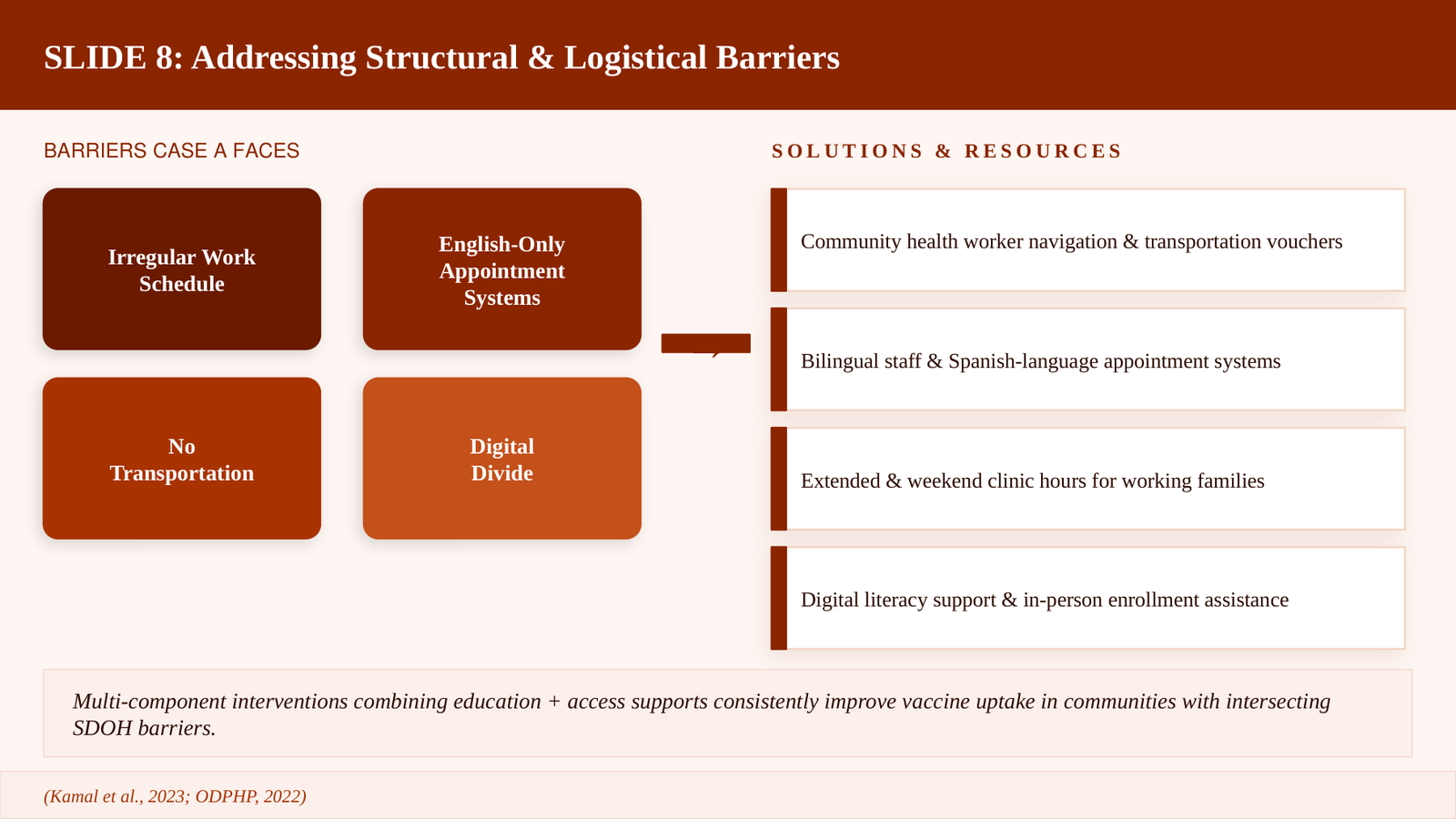
Structural barriers such as cost, transportation, inflexible clinic hours, and language access can all prevent timely immunization even through parents might be convinced of the importance of vaccination, so for any effective health promotion effort, removing these barriers is essential. For example, Participant A has previously experienced multiple barriers to vaccination based upon her irregular work schedule, English-only appointment systems, and lack of transportation to the health clinic, despite her increasing willingness to vaccinate her children; therefore, in order to assist Participant A with getting her children their vaccines, this slide presents a list of community resources located in Participant A's neighborhood. Research indicates that connected to practical resources directly after an educational session is an evidence-based strategy to increase yield of immunizations significantly for participants (Kamal et al., 2023).
In addition to removing access barriers, the elimination of the digital divide prevents many low-income immigrant communities from utilizing the online appointment scheduling system, reminder apps, and telehealth consultations that are now standard in healthcare. Study after study continue to show the value of combining education and access supports through multi-component interventions to improve vaccine uptake, particularly in communities impacted by intersecting social determinants of health/circumstances that have access barriers (ODPHP, 2022). The plan recognizes that behavior change requires changing the structural conditions to create opportunities for people to make healthy choices, in addition to changing people's belief systems.
Slide 9
Delivering Culturally Competent Health Education
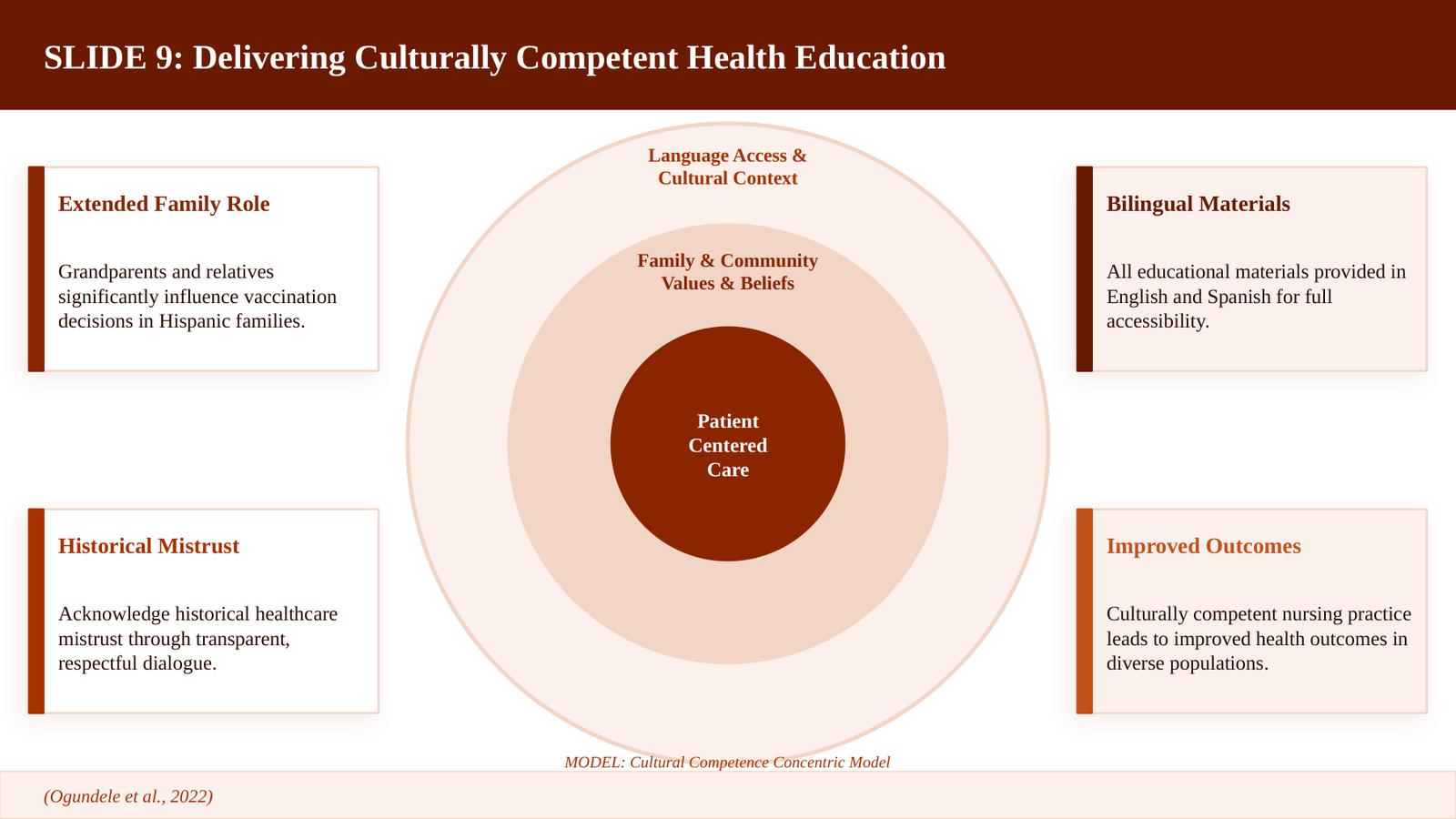
Beyond translating languages, nurses working in health education with culturally diverse communities must explore the underlying values, beliefs, family structures, and history that help shape the community’s health-related decisions. In Participant A’s community, the importance of extended family members as participants in the health-related decision-making process is a common cultural norm. Consequently, while Participant A may develop a greater sense of confidence in vaccines after this session, her health-related choices will still be greatly impacted by the views about vaccines expressed by those extended family members who will likely also be influencing other family members’ decisions. Incorporation of the cultural context of a community into health education demonstrates the principles of culturally competent nursing practice that lead to improved health outcomes within diverse populations (Ogundele et al., 2022).
Slide 10
Evaluating Session Outcomes and Anticipating Participant Input
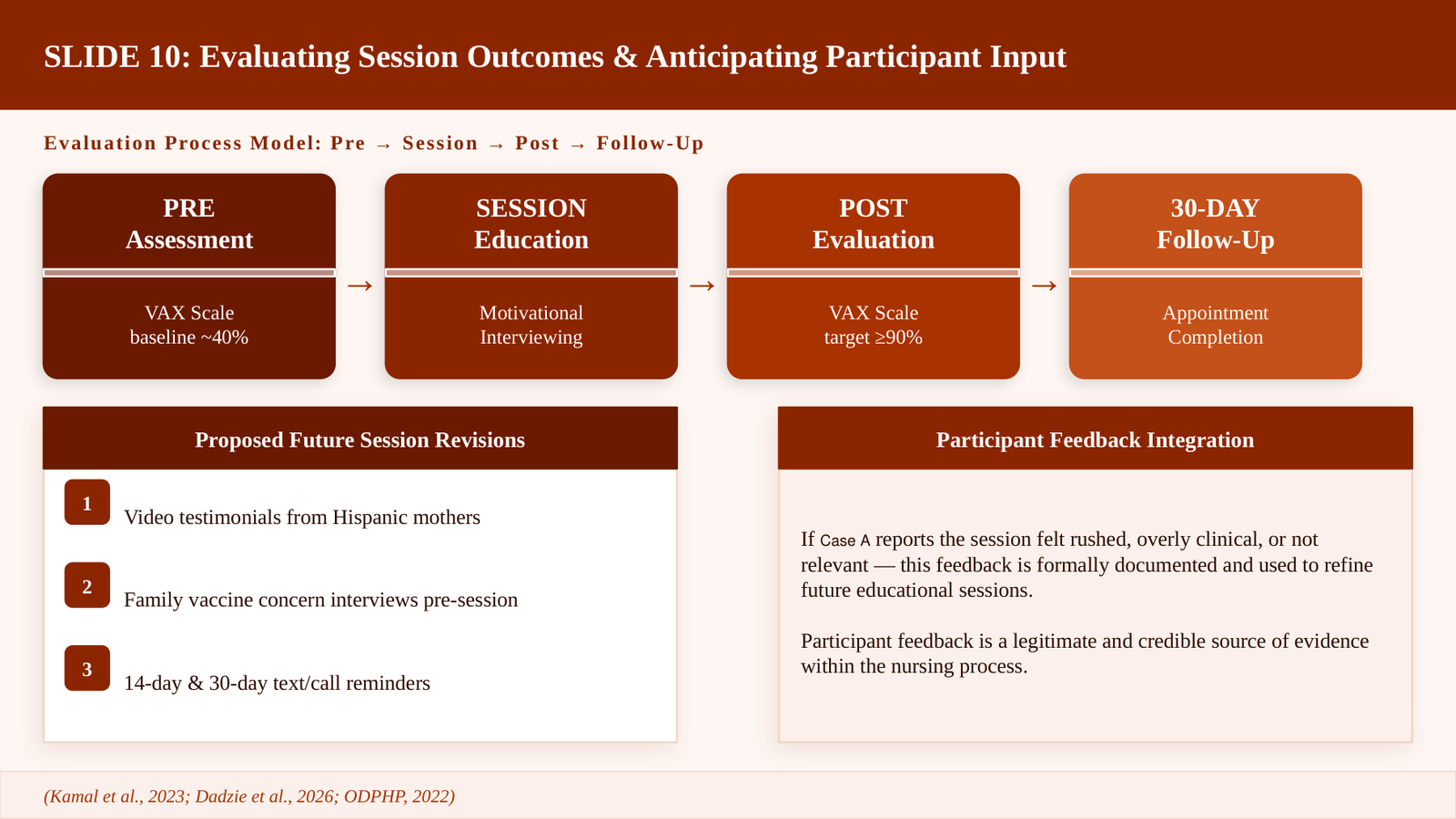
Evaluating the effectiveness of a health promotion session requires assessing both whether the participant (i.e., Participant A) met the SMART goals that were agreed to at the beginning of the session, and deciding whether they achieved behavior change over time (i.e., initial and follow-up measures). At the completion of this session, Participant A will be asked to complete the Vaccination Attitudes Examination (VAX) Scale. The research on evaluating health education programs indicates that using standardized and validated assessment tools produces more accurate and consistent outcome measures than anecdotal-based evaluations only and also states that pre-and post-session measurement designs are the minimum evaluation standard for determining the effectiveness of health promotion programs (Kamal et al,. 2023). Measuring the immediate outcomes from this health promotion session will help determine if the education, communication style, and cultural adaptation were appropriate in helping move Participant A towards vaccine confidence.
In addition to measuring whether Participant A reached her goals, it will be equally important to consider her feedback and comments after the session because parents living in vaccine hesitant communities may raise issues during education sessions that point out gaps in information or approaches that may require modifications in future educational sessions. If Participant A provides feedback regarding feeling rushed, too clinical, or that the information in the session did not apply to her situation, it will be documented and used to adjust future sessions. Using participant feedback as a formal aspect of the evaluation process is consistent with the nursing process principle of assessment and modification being ongoing processes and that the feedback from participants is a legitimate and credible source of evidence regarding the effectiveness of health education (ODPHP, 2022).
Proposed Revisions to Future Educational Sessions
Proposed modifications based on the projected participant input and outcome data from this session include several specific revisions to enhance the overall success of future educational interactions with Participant A and other community members. First, the educational interaction could be enhanced through the inclusion of visual video testimonials from other Hispanic mothers from the same community who describe how they overcame their vaccine hesitancy. Second, a mandatory family member interview about the vaccine concern before the next session could create a participatory learning environment that extends the educational reach beyond the clinic’s walls. Multicomponent and interactive health promotion interventions have consistently demonstrated that combining in-person education with take-home activities, social support, and follow-up contacts will result in significantly greater and longer-lasting vaccine behavior change than providing only a one-time educational opportunity (Dadzie et al., 2026). Third, having a follow-up call or text reminder at both the 14-day and 30-day intervals would reinforce the material presented in the session and assist the parent in obtaining an appointment completion.
Slide 11
Evaluating Outcomes Against Healthy People 2030 and LHIs
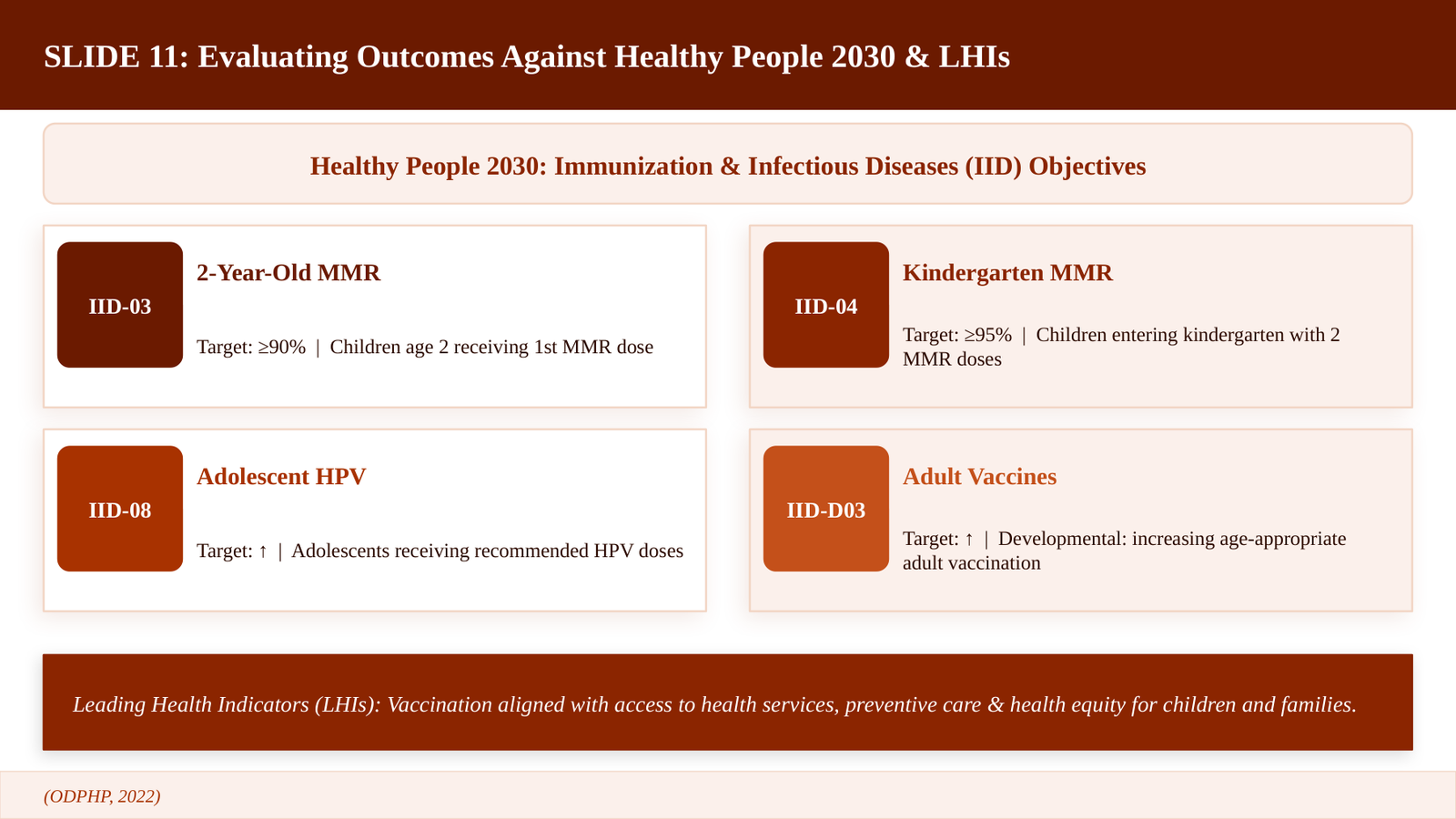
The national guidelines for achieving public health objectives through 2030 are based on Healthy People 2030’s nationwide evidence-driven framework and the immunization objectives established by the Immune and Infectious Diseases (IID) topic area, which will directly relate to the intended outcomes of this health promotion programme. The IID objectives that most directly relate to this health promotion strategy include IID-03 (achieving and maintaining at least 90% of all two-year olds vaccinated with MMR), IID-04 (achieving and maintaining at least 95% of children who have received two doses of MMR at the time of their entry into kindergarten), IID-08 (increasing the percentage of adolescents receiving the recommended doses of HPV), and IID-D03 (a developmental objective related to increasing/improving the percentage of adults receiving age-appropriate recommended vaccines) (ODPHP, 2022). Participant A’s children’s vaccination status is considerably below the IID-03 objective, therefore when we improve their vaccination rates with this education intervention, we are also contributing to overall community progress towards attaining these national objectives.
Healthy People 2030 includes the Leading Health Indicators (LHIs), which are a subset of the objectives of Healthy People 2030 and represent priority health issues for the decade; vaccination is included in the LHI framework through its alignments with the objectives related to access to health services, preventative care, and health equity for children and families. Even though vaccination is one of the most effective preventive measures we have available, national data show that flu vaccination coverage is still less than 70% of the HP 2030 target across nearly all adult age groups, and the childhood vaccination rate has fallen significantly below national targets as a result of the disruptions to routine well-child care that happened due to the COVID-19 pandemic for millions of families (ODPHP, 2022). To measure the difference we make in achieving IID-03 and IID-04, we will need to monitor whether or not Participant A's children receive their overdue vaccines within 30 days following this session.
Slide 12
Consolidating Learning and Planning Action
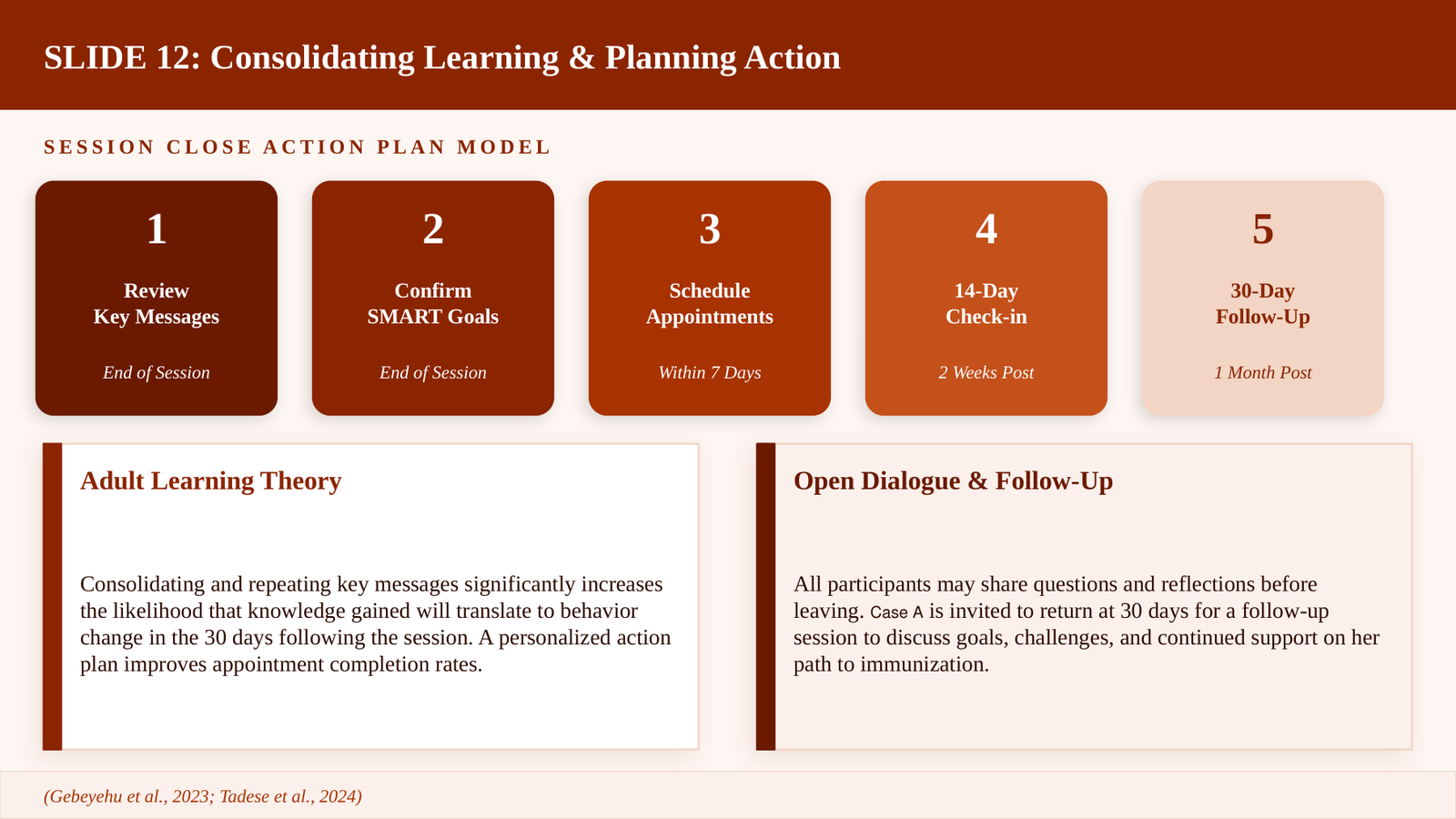
A structured summary at the end of a session will review the main takeaways in simple terms, reiterate the SMART goals that were collectively established, and provide Participant A will layout of clear, actionable next steps to be taken within the next several days. Providing a summary of information at the conclusion of an educational session is a concept that is well documented in adult learning theory and provides substantial evidence that consolidating and repeating key messages significantly increases the likelihood that knowledge gained during the session will translate to actual behavior changes in the 30-day period following the conclusion of the session. Research on follow-ups from health education sessions demonstrates that a completed action plan tied specifically to a participant rather than an overall motivational statement has a much greater impact on completion rates of appointments (Gebeyehu et al., 2023).
At the conclusion of the session, all participants may share any questions, concerns, or reflections they may have before they complete the session, creating an environment for open dialogue to help continue to establish trust and validate the participant's concerns. It has been shown that access to the health educator following the completion of the session has contributed significantly to adherence to behavior change initiatives as well as for first-generation immigrant parents who may require more time to process the health information provided in relation to their family and community (Tadese et al., 2024). The end of the session will be an invitation for Participant A to return in 30 days for a follow-up session to discuss her goals, what challenges she might be facing, and to continue receiving support on her path to immunization.
Slide 13
Conclusion
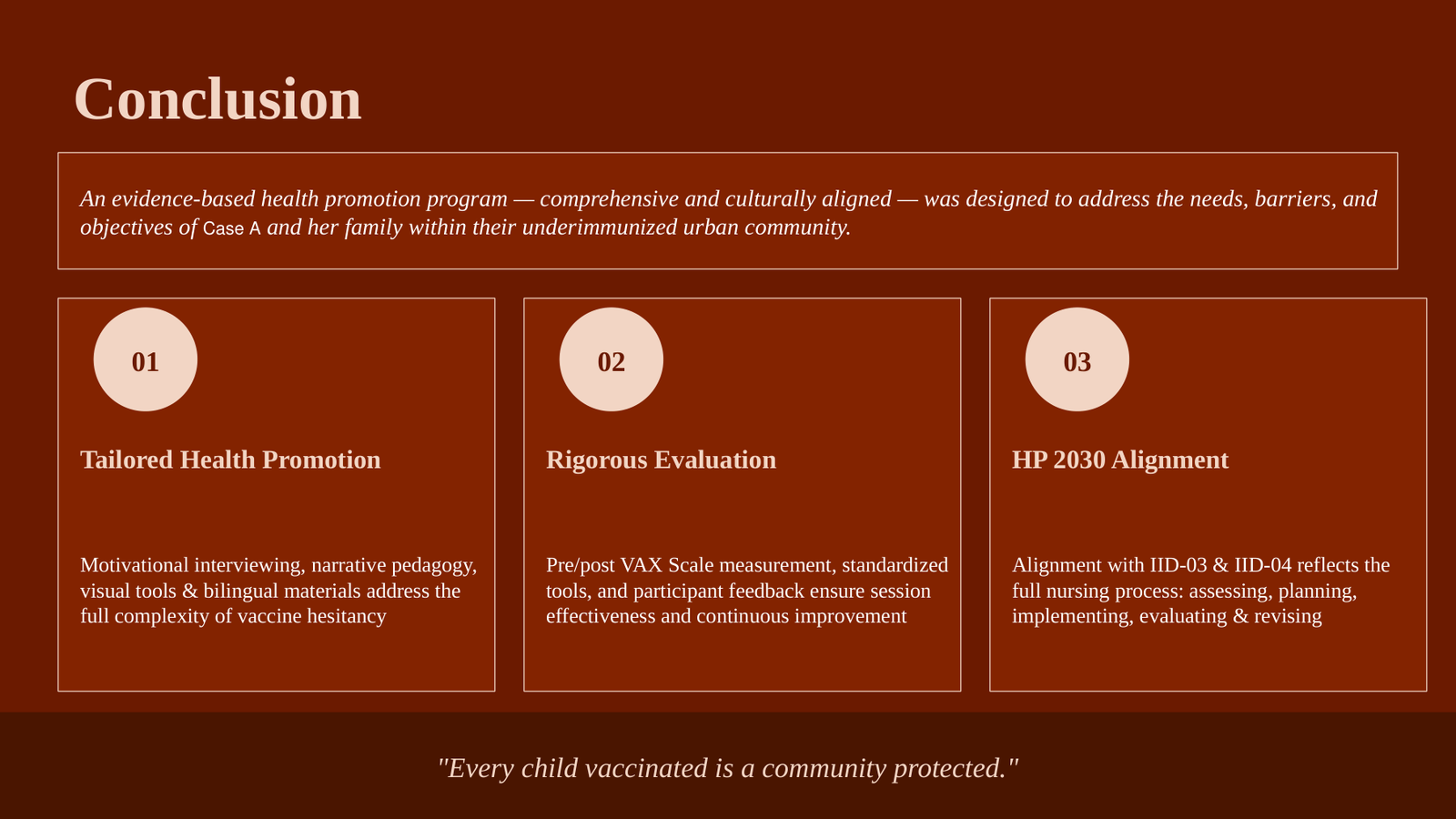
An evidence-based health promotion program was designed to be comprehensive and culturally aligned to address existing needs, barriers, and objectives of Participant A and her family within this underimmunized urban location. The use of motivational interviewing, narrative pedagogy, visual learning tools, bilingual materials, and an established SMART (Specific, Measurable, Achievable, Relevant, Time-bound) goal framework is necessary to address the full complexity of vaccine hesitance rather than just viewing it as the absence of knowledge. Three specific points covered in this presentation include: Developing a tailored health promotion program, conducting rigorous evaluation of each session's results, and aligning with the Healthy People 2030 IID objectives reflect the entire nursing process – assessing, planning, implementing, evaluating and revising health promotion programs.
References
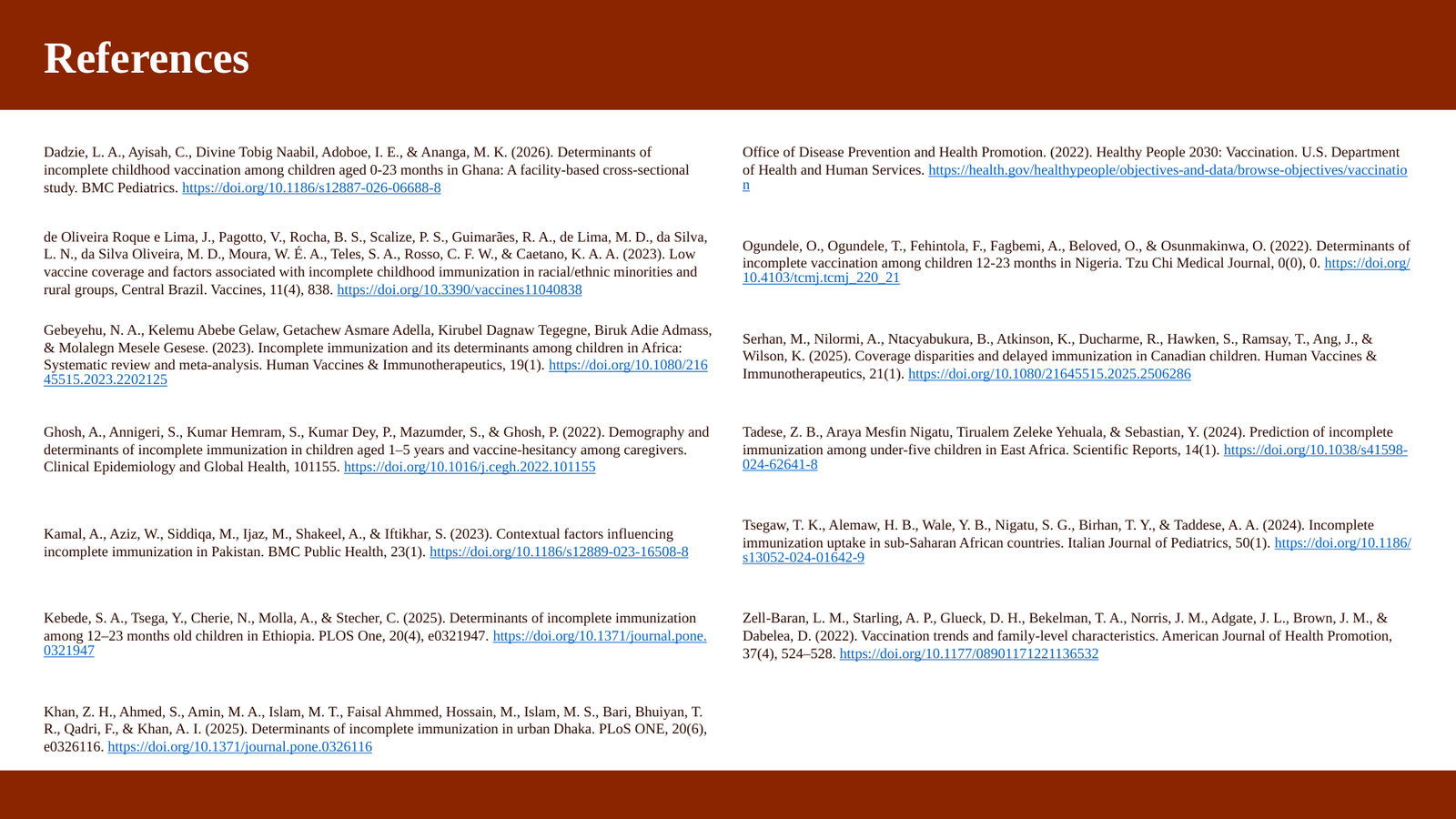
Dadzie, L. A., Ayisah, C., Divine Tobig Naabil, Adoboe, I. E., & Ananga, M. K. (2026). Determinants of incomplete childhood vaccination among children aged 0-23 months in Ghana: A facility-based cross-sectional study. BMC Pediatrics. https://doi.org/10.1186/s12887-026-06688-8
de Oliveira Roque e Lima, J., Pagotto, V., Rocha, B. S., Scalize, P. S., Guimarães, R. A., de Lima, M. D., da Silva, L. N., da Silva Oliveira, M. D., Moura, W. É. A., Teles, S. A., Rosso, C. F. W., & Caetano, K. A. A. (2023). Low vaccine coverage and factors associated with incomplete childhood immunization in racial/ethnic minorities and rural groups, Central Brazil. Vaccines, 11(4), 838. https://doi.org/10.3390/vaccines11040838
Gebeyehu, N. A., Kelemu Abebe Gelaw, Getachew Asmare Adella, Kirubel Dagnaw Tegegne, Biruk Adie Admass, & Molalegn Mesele Gesese. (2023). Incomplete immunization and its determinants among children in Africa: Systematic review and meta-analysis. Human Vaccines & Immunotherapeutics, 19(1). https://doi.org/10.1080/21645515.2023.2202125
Ghosh, A., Annigeri, S., Kumar Hemram, S., Kumar Dey, P., Mazumder, S., & Ghosh, P. (2022). Demography and determinants of incomplete immunization in children aged 1–5 years and vaccine-hesitancy among caregivers: An Eastern Indian perspective. Clinical Epidemiology and Global Health, 101155. https://doi.org/10.1016/j.cegh.2022.101155
Kamal, A., Aziz, W., Siddiqa, M., Ijaz, M., Shakeel, A., & Iftikhar, S. (2023). Contextual factors influencing incomplete immunization and investigation of its geospatial heterogeneity in Pakistan: A cross-sectional study based on PDHS (2017–18). BMC Public Health, 23(1). https://doi.org/10.1186/s12889-023-16508-8
Kebede, S. A., Tsega, Y., Cherie, N., Molla, A., & Stecher, C. (2025). Determinants of incomplete immunization among 12–23 months old children in Ethiopia: A multilevel analysis. PLOS One, 20(4), e0321947. https://doi.org/10.1371/journal.pone.0321947
Khan, Z. H., Ahmed, S., Amin, M. A., Islam, M. T., Faisal Ahmmed, Hossain, M., Islam, M. S., Bari, Bhuiyan, T. R., Qadri, F., & Khan, A. I. (2025). Determinants of incomplete immunization and factors for missed opportunities in urban Dhaka: A cross-sectional study. PLoS ONE, 20(6), e0326116. https://doi.org/10.1371/journal.pone.0326116
Office of Disease Prevention and Health Promotion. (2022). Healthy People 2030: Vaccination. U.S. Department of Health and Human Services. https://health.gov/healthypeople/objectives-and-data/browse-objectives/vaccination
Ogundele, O., Ogundele, T., Fehintola, F., Fagbemi, A., Beloved, O., & Osunmakinwa, O. (2022). Determinants of incomplete vaccination among children 12-23 months in Nigeria: An analysis of a national sample. Tzu Chi Medical Journal, 0(0), 0. https://doi.org/10.4103/tcmj.tcmj_220_21
Serhan, M., Nilormi, A., Ntacyabukura, B., Atkinson, K., Ducharme, R., Hawken, S., Ramsay, T., Ang, J., & Wilson, K. (2025). Coverage disparities and delayed immunization: Assessing 12-month vaccination completion in Canadian children using data from a digital immunization platform. Human Vaccines & Immunotherapeutics, 21(1). https://doi.org/10.1080/21645515.2025.2506286
Tadese, Z. B., Araya Mesfin Nigatu, Tirualem Zeleke Yehuala, & Sebastian, Y. (2024). Prediction of incomplete immunization among under-five children in East Africa from recent demographic and health surveys: A machine learning approach. Scientific Reports, 14(1). https://doi.org/10.1038/s41598-024-62641-8
Tsegaw, T. K., Alemaw, H. B., Wale, Y. B., Nigatu, S. G., Birhan, T. Y., & Taddese, A. A. (2024). Incomplete immunization uptake and associated factors among children aged 12–23 months in sub-Saharan African countries; multilevel analysis evidenced from latest demography and health survey data, 2023. Italian Journal of Pediatrics, 50(1). https://doi.org/10.1186/s13052-024-01642-9
Zell-Baran, L. M., Starling, A. P., Glueck, D. H., Bekelman, T. A., Norris, J. M., Adgate, J. L., Brown, J. M., & Dabelea, D. (2022). Vaccination trends and family-level characteristics associated with incomplete or delayed childhood immunizations: The healthy start study. American Journal of Health Promotion, 37(4), 524–528. https://doi.org/10.1177/08901171221136532