
Samples / NURS FPX 4035 / Assessment 3
Assessment 03: Improvement Plan In-Service Presentation
Visual Preview
Click the preview to enlarge it. Use the arrows to browse all 14 slides. The sample text continues below.
NURS FPX 4035 · Assessment 3
Sample for study and reference. Ace My Assessment is an independent academic support service.
Slide: 1
Welcome, everyone. This Improvement Plan In-Service Presentation addresses the urgent need to strengthen alarm management practices across our cardiac intensive care unit and monitored inpatient environments.
Slide: 2
Improvement Plan In-Service Presentation
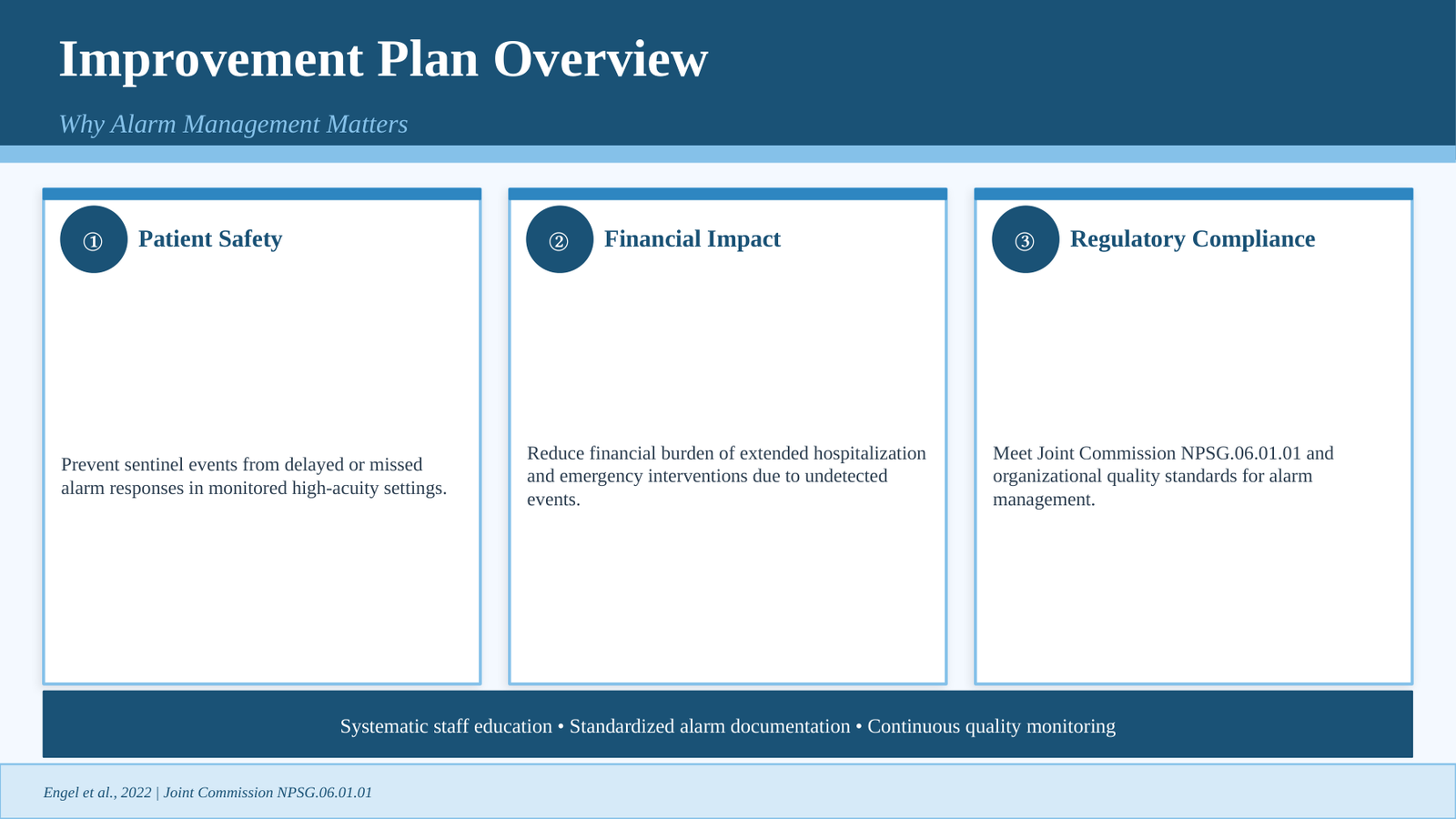
A well-implemented comprehensive plan for alarm management improvement programs is crucial to effectively provide safety for patients in monitored high-acuity settings, to minimize patient detriment events due to delayed or missed alarm responses, and to reduce the financial burden associated with extended patient hospitalization and emergency intervention due to undetected patient events. Specifics of these frameworks include systematic staff education programs, standardized alarm event documentation, and continued measurement of monitoring performance using unit level quality indicators (Engel, et al, 2022). The operational implementation of an alarm management improvement plan reflects an organization’s commitment to patient safety in monitored environments; supports the requirements of The Joint Commission, National Patient Safety Goal NPSG.06.01.01; and addresses the clinical, operational, and cultural factors that lead to the development and continuation of alarm fatigue within the busy atmosphere of an acute care facility.
Slide: 3
Agenda and Outcome
Agenda
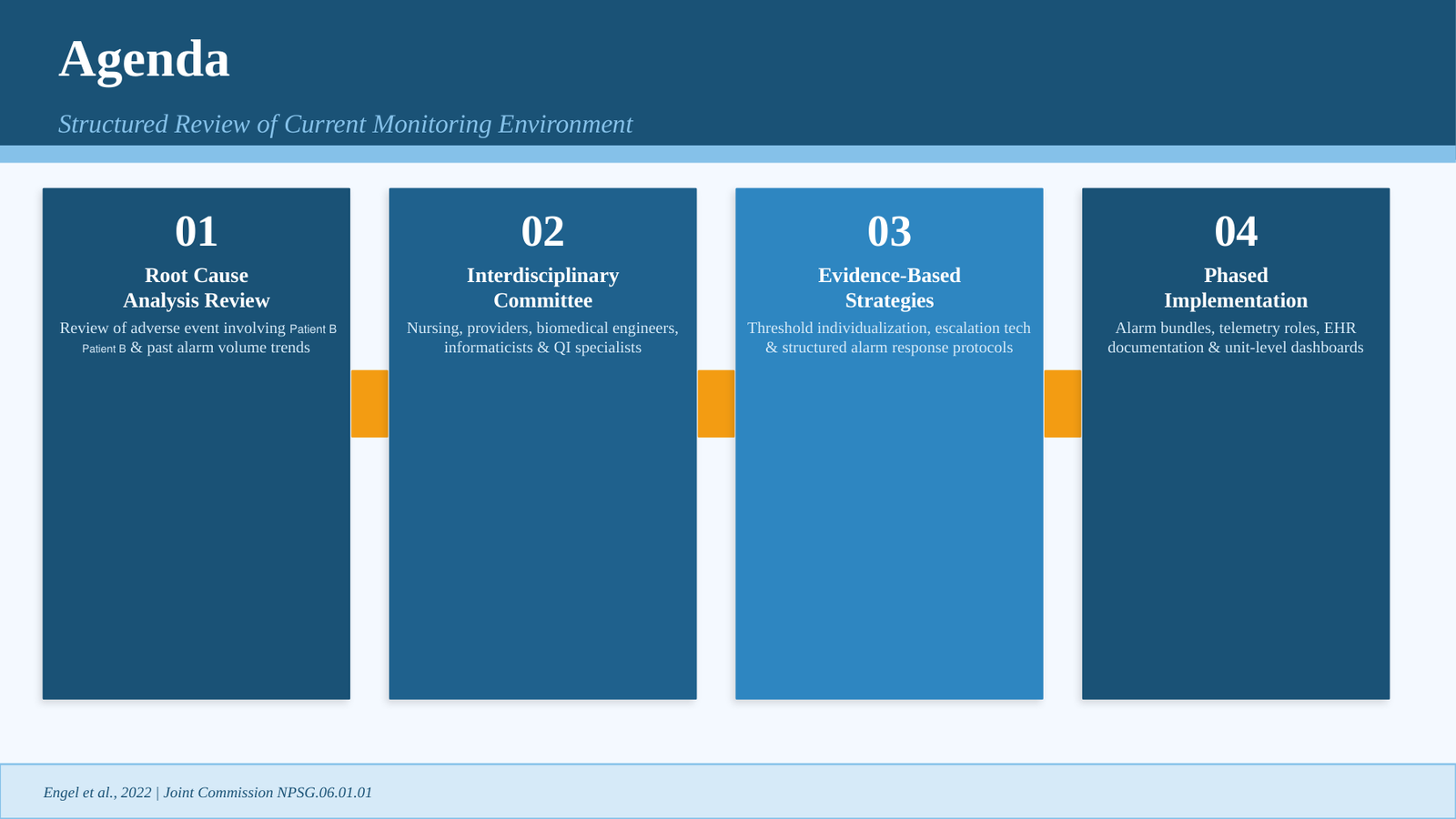
The Alarm Management Improvement initiative is a structured review of the current monitoring environment, including analyzing past alarm volume trends and incidents, as well as the results of the root cause analysis (RCA) of the cardiac ICU adverse event that initiated this Alarm Management Improvement Project. Key deliverables for completion of this Alarm Management Project include the establishment of an Interdisciplinary Alarm Management Committee, including nursing staff from all shifts, charge nurses, providers, biomedical engineers, clinical informaticists, and quality improvement specialists, who will collaborate to review existing thresholds for alarms and identify evidence-based alarm stewardship strategies for implementation; ongoing education for all staff members in how to program individual alarm thresholds, activate secondary escalation technologies, and follow structured alarm response protocols, including competency assessments via direct observation; and using workflow analysis to identify barriers (use of the term in this context communicates obstacles) to consistent alarm response (e.g., environmental, staffing, and technology), and develop a phased implementation plan that utilizes alarm management bundles, telemetry monitoring role designated resources, electronic health record documentation requirements, and performance dashboards at the unit level.
Slide: 4
Outcomes
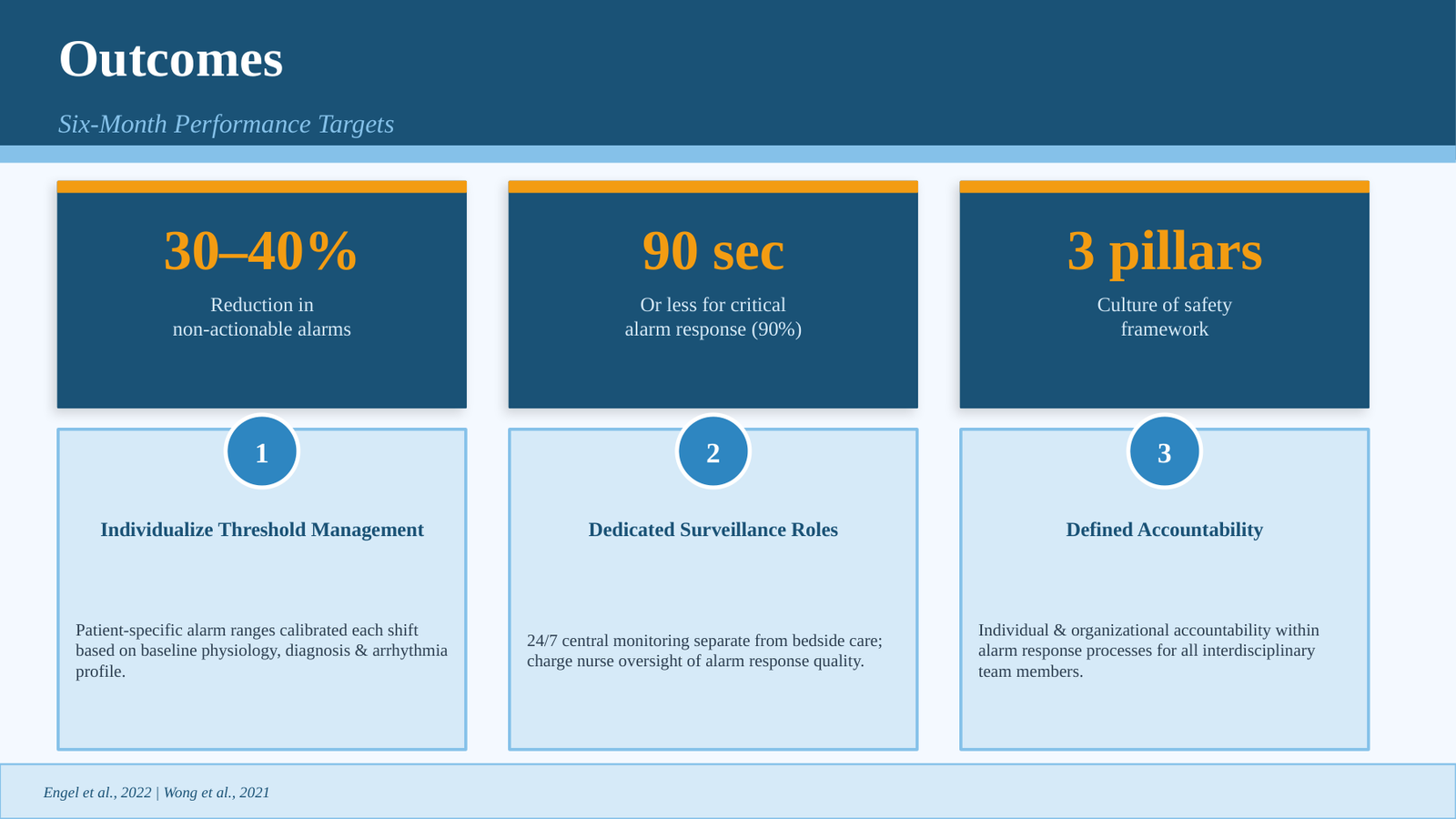
This project intends that within six months of implementing bundles of interventions for a reduction in total alarms that do not generate an action by 30-40%; responding to critical alarms will occur within an established benchmark of response time for 90% of monitored critical incidents to be 90 seconds or less; an established number of preventable adverse events will be reduced by the failure to respond to critical alarms. In addition, by providing structured education and engagement to patients and their family members during admission to inspire patients/family to escalate their concerns regarding missed acknowledgment of alarms when the appropriate timeframe has elapsed, an additional layer of patient/family safety will be built as patients/family will now have access to escalation instructions so that they can independently generate escalation requests when there are no acknowledgments of alarms during the appropriate timeframe. This will create a culture of safety through the following three components; (1) individualizing threshold management, (2) establishing dedicated roles for surveillance, and (3) defining individual and organizational accountabilities with the alarm response processes.
Slide: 5
Safety Improvement Plan
Purpose
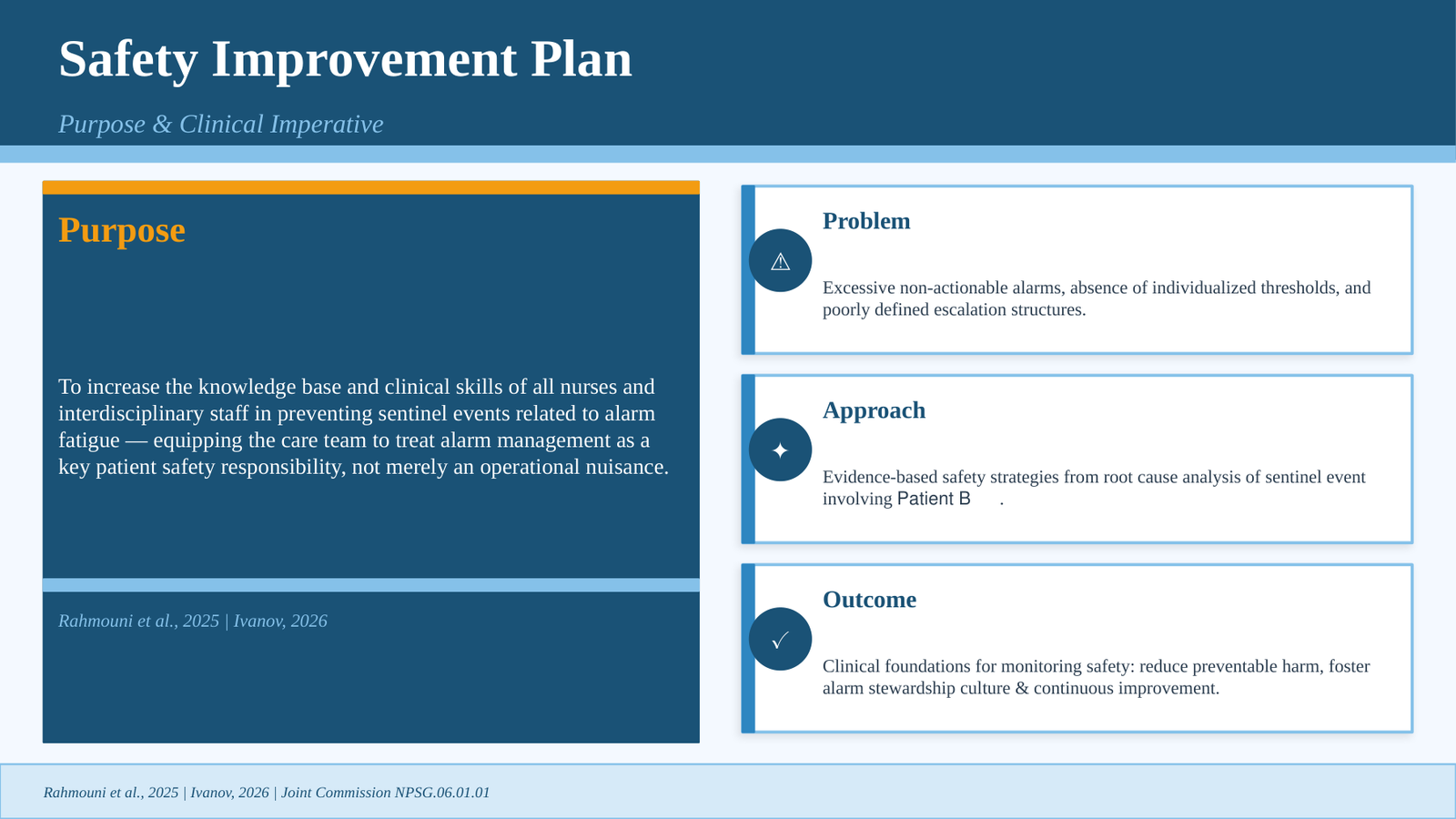
This in-service training is aimed at increasing the knowledge base and clinical skills of all nurses and interdisciplinary staff as it relates to preventing sentinel events related to alarm fatigue in the cardiac intensive care unit (ICU) and other environments where patients are monitored for excessive non-actionable alarm volume, a lack of individualization of alarm thresholds, and poorly defined escalation structures have led to a measurable risk of harm to patients. The training will utilize evidence-based safety improvement strategies generated as part of the root cause analysis of an adverse event involving Patient B to equip nurses and all interdisciplinary team members with the skills required to approach alarm management as a key responsibility for patient safety rather than merely as an operational nuisance (Rahmouni, et al., 2025). Effective alarm management will create clinical and organizational foundations for increased safety of monitoring environments through the systematic reduction of preventable harm due to delays in responding to critical alarms, establishing a culture of alarm stewardship, shared accountability, and continuous improvement in quality of care across units that use patient monitoring technology as a central component in the delivery of care (Ivanov, 2026).
Slide: 6
Goals
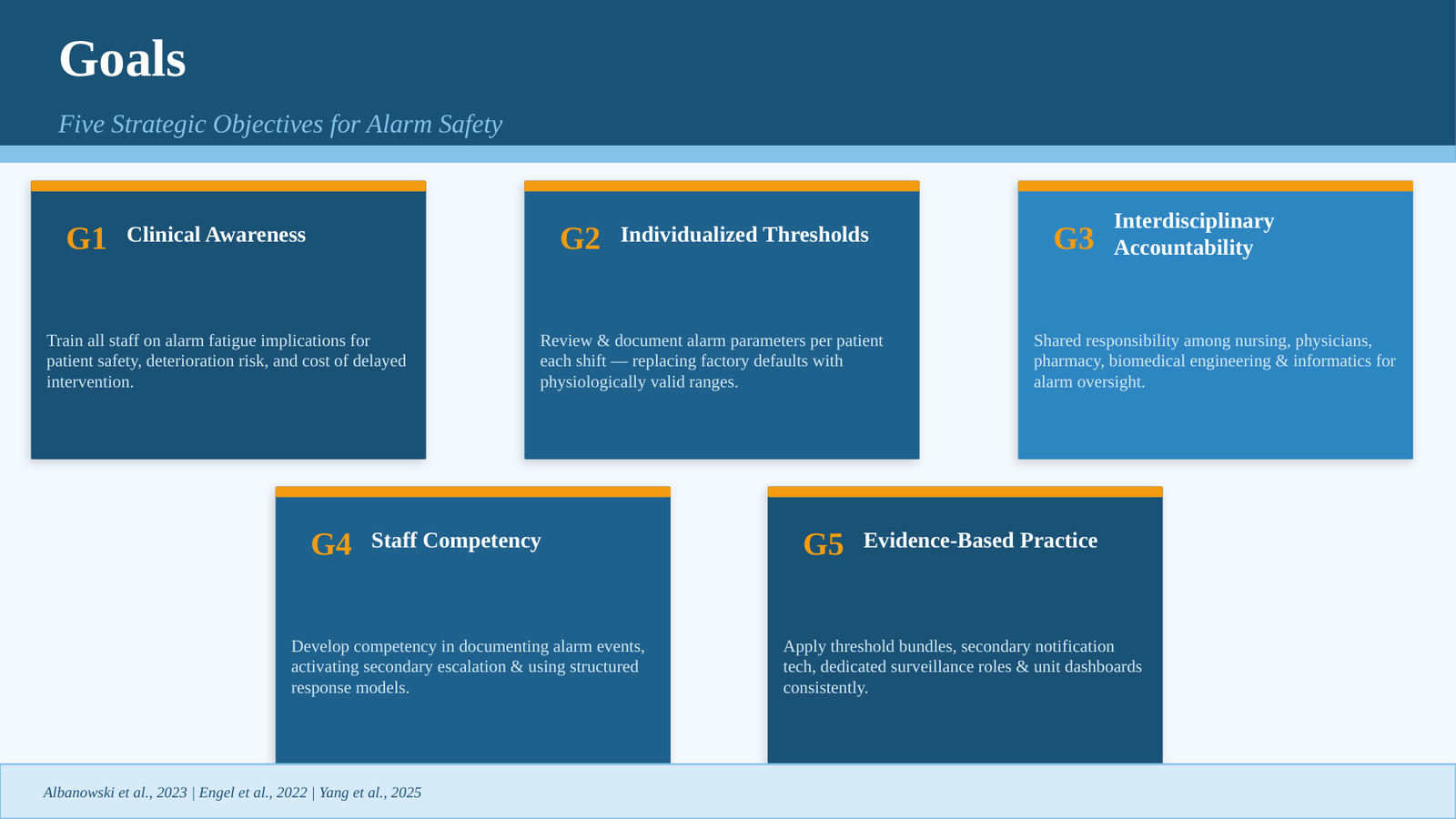
Train all nursing and interprofessional staff to be aware of the clinical implications of alarm fatigue as it relates to patient safety, the potential for preventable deterioration, and the substantial impact alarm fatigue has on the overall costliness of delays in the provision of emergency interventions and length of stay in a care setting.
Improve alarm management through individualized threshold parameter review and documentation for each monitored patient at the beginning of every shift, while replacing factory-set parameters with clinically valid alert ranges reflective of each patient's unique physiological characteristics.
Facilitate interdisciplinary collaboration by establishing shared accountability among nursing, physician, biomedical engineering, pharmacy, and clinical informatics for alarm responses, threshold management, and adherence to escalation protocols for all monitored environments.
Support the competence of staff in documenting alarm events, secondary escalation activation, dedicated telemetry monitor responsibilities, and structured response models to ensure a timely, clinically assessed response to all critical alarms.
Ensure all clinical alarm management practice guidelines demonstrating evidence-based outcomes (i.e., structured threshold individualization bundles, secondary notification technology, dedicated surveillance roles, unit performance dashboards, patient education at the time of admission) are applied consistently to reduce alarm-related safety incidents, information gaps, preventable complications, and unnecessary healthcare costs.
Slide: 7
Safety Improvement Plan
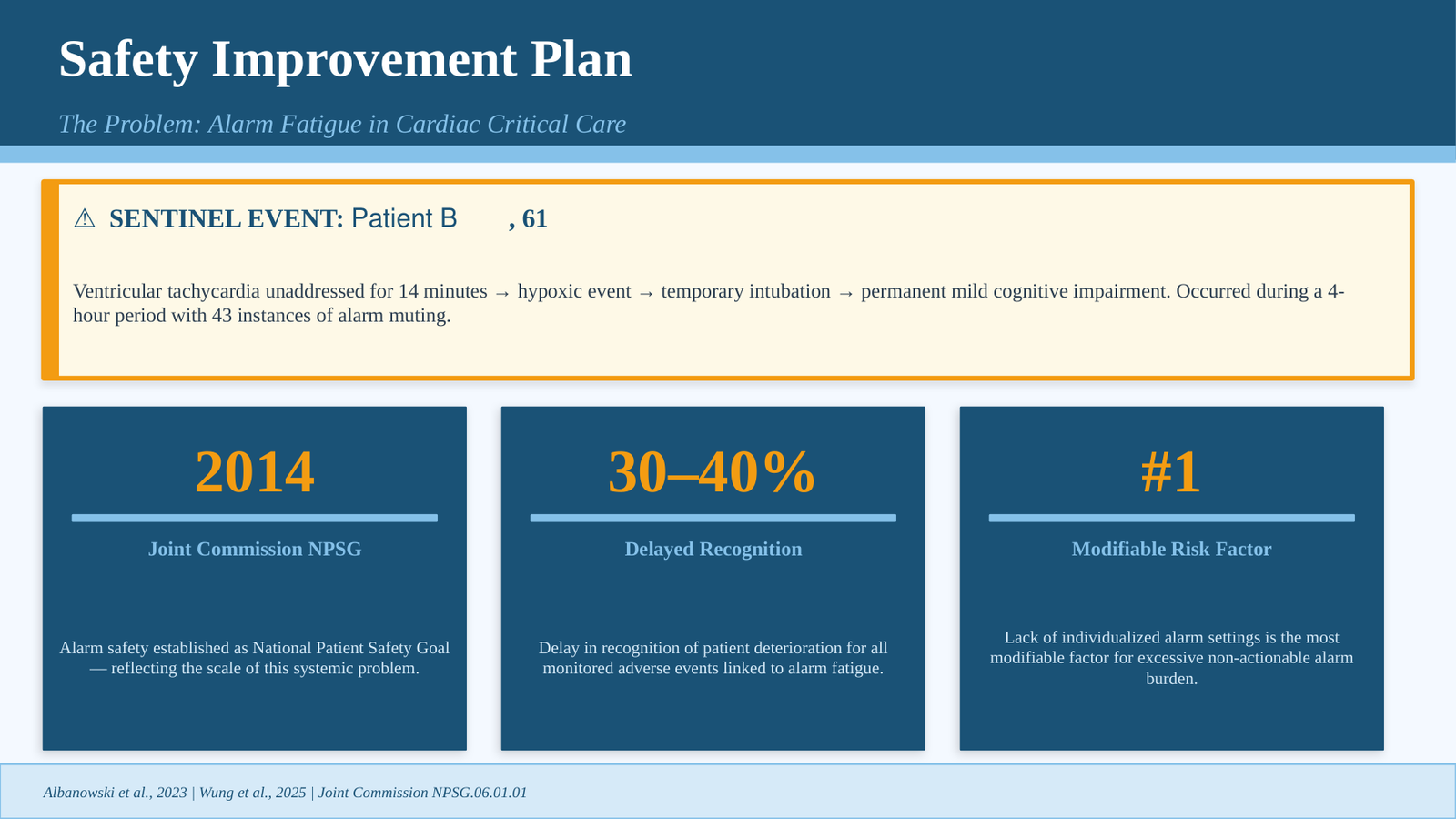
Alarm fatigue in the cardiac critical care unit is a patient safety concern connected to alarm fatigue described when nursing is continually subjected to a high quantity of non-actionable alarms where they grow desensitized towards alarms in general, putting vulnerable patients at risk for preventable harm due to delayed responses or no response to clinically significant alarms. The sentinel event that demonstrates the need for change was demonstrated by sixty-one-year-old Patient B, whose ventricular tachycardia went unaddressed for 14 minutes and resulted in a hypoxic event requiring temporary intubation and permanent mild cognitive impairment after the alarms were ignored among a total of 43 instances of alarm muting during a four-hour time period (Wung, 2025). In order to emphasize alarm safety within clinical care environments, the Joint Commission included alarm safety as a National Patient Safety Goal in 2014, and there are numerous studies demonstrating the direct relationship between alarm fatigue and a delay in the recognition of patient deterioration (30-40%) for all monitored adverse events and that lacking individualized alarm settings is the most modifiable factor responsible for excessive burden of non-actionable alarms in acute care settings (Albanowski, 2023). Thus, alarm fatigue is both a significant risk to patient safety and an area of focus for quality improvement at the organizational level that warrants a comprehensive approach for ongoing improvement across the technological, educational, staffing, and cultural domains.
Slide: 8
The Process
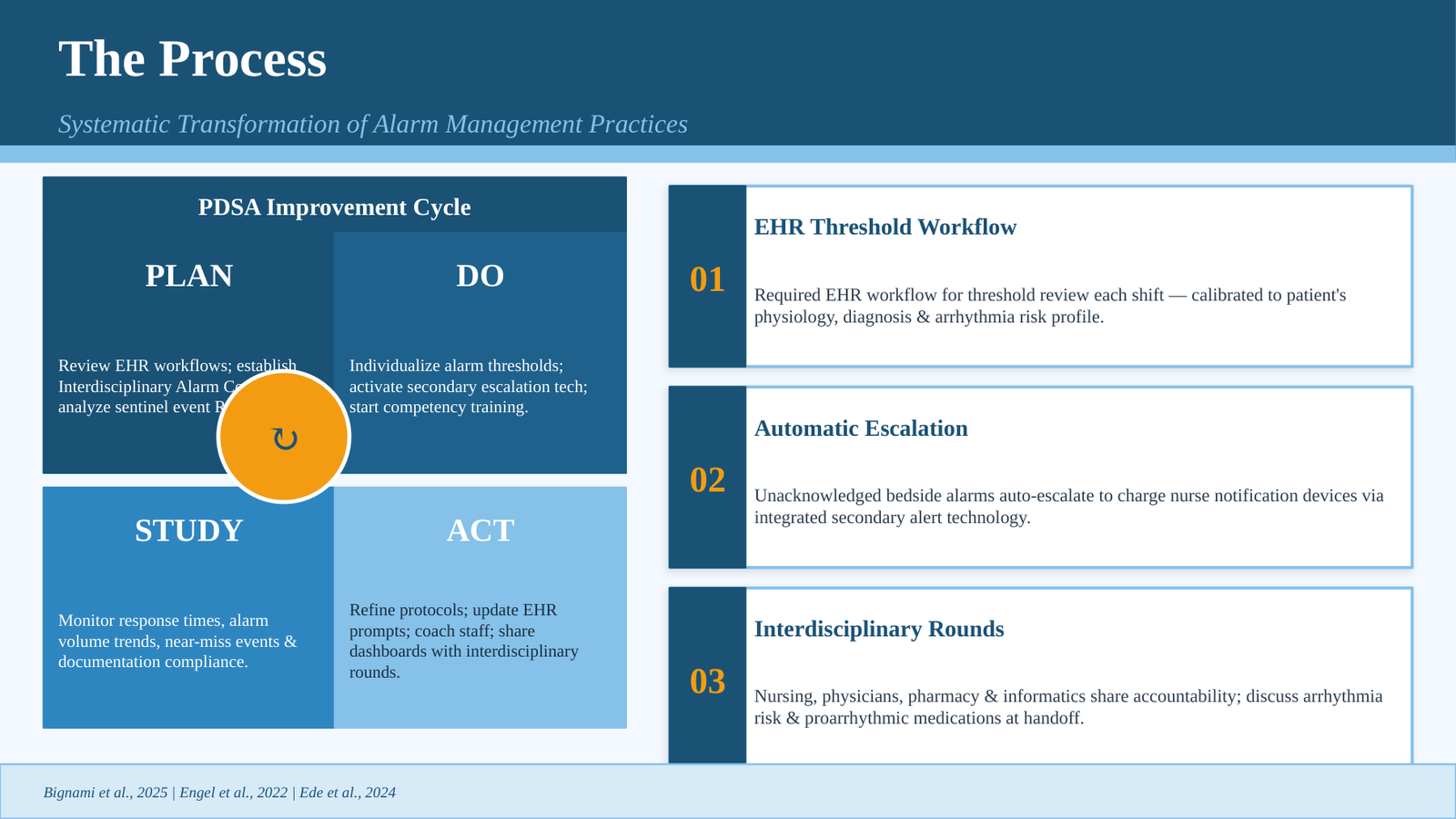
To make meaningful improvements to patient safety for patients in monitored environments, alarm management practices must be transformed systematically within an interdisciplinary accountability structure across all patient assignment shifts. Each admitted patient must have their alarm thresholds reviewed and documented through a required electronic health record (EHR) workflow, with alarm parameter ranges calibrated based on the patient's physiological baseline, clinical diagnosis, and individual arrhythmia risk profile (Bignami et al., 2025) rather than the default settings provided by alarm manufacturers. Alarms that have not been acknowledged at the bedside must automatically escalate to charge nurse notification devices via integrated secondary alert technology, thereby eliminating the failure point that resulted in the fourteen-minute wait for response in our sentinel event. Nursing, physician, biomedical engineering, pharmacy, and informatics disciplines must share in the responsibility of alarm management and communicate collaboratively about new arrhythmia risk factors, proarrhythmic medication initiations, and updated monitoring parameters during interdisciplinary rounds and shift handoffs.
Slide: 9
Implementing Evidence-Based Strategies
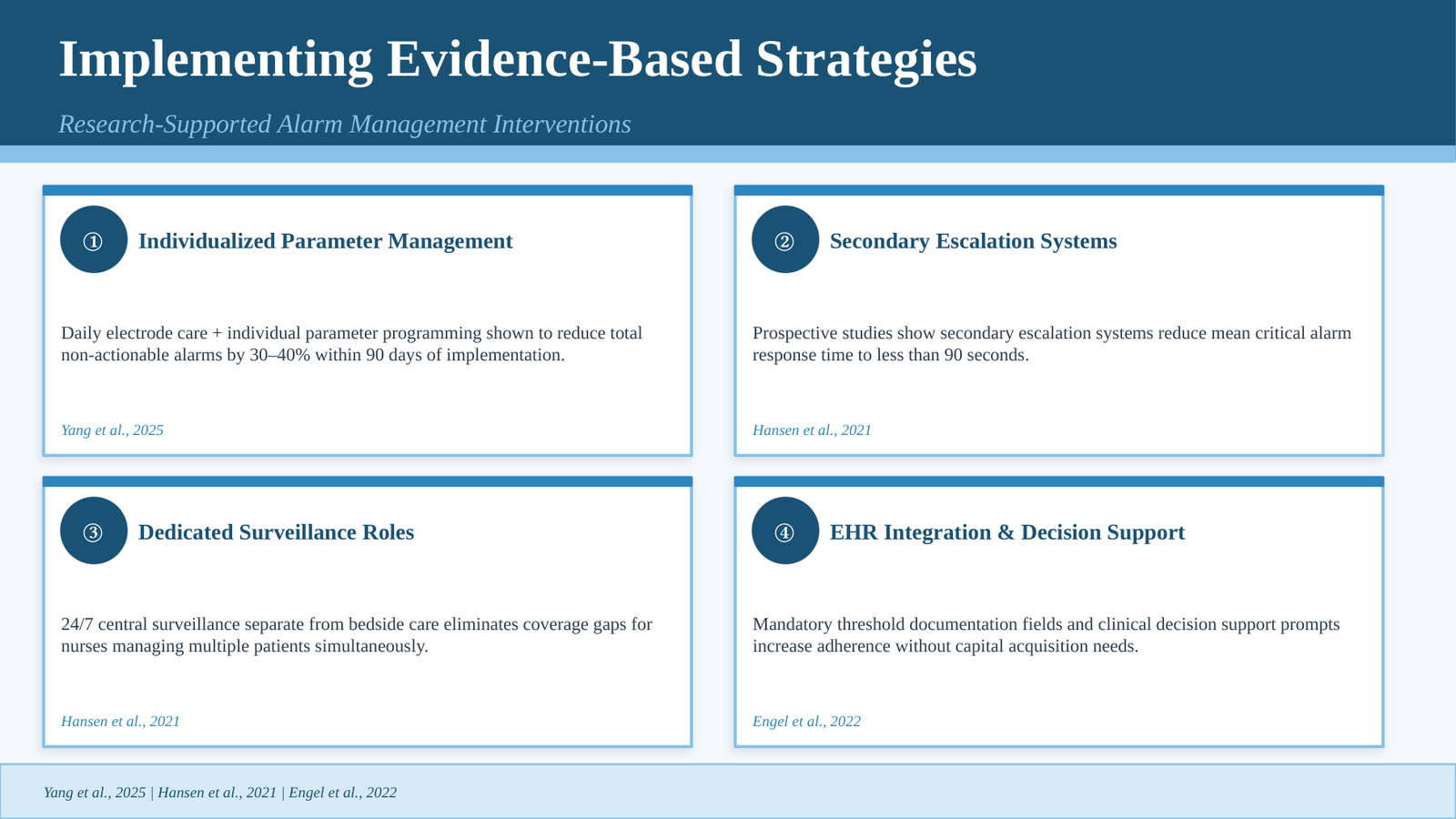
Research shows that alarm management strategies based on evidence, such as Joint Commission alarm safety standards, individualised threshold bundles, secondary escalation notification systems, and competency-based nursing education, have demonstrated measurable success to reduce alarm-related patient injury and improve consistency of clinical response in acute care. Consistent evidence indicates that alarm management programmes that include daily electrode care, individualised parameter management programming, competent nurse education and dedicated telemetry/monitoring payroll positions will reduce total non-actionable alarms by 30-40%, and increase critical alert response time by more than 90 seconds within the first 90 days of implementation (Yang et al., 2025). Dedicated technician or nurse positions offering 24/7 central surveillance that is separate from bedside patient care create surveillance gaps for nurses who provide alarm management services to multiple patients by allowing nurses to perform multiple surveillance duties for multiple patients simultaneously; and secondary escalation systems have demonstrated in prospective studies to reduce mean critical alarm response time to less than 90 seconds (Hansen et al., 2021). The integration of mandatory threshold documentation fields and clinical decision support prompts into existing electronic health record systems will increase adherence to individualised practice and generate auditable records of compliance, without increasing the need for capital acquisition.
Slide: 10
Audience's Role and Importance
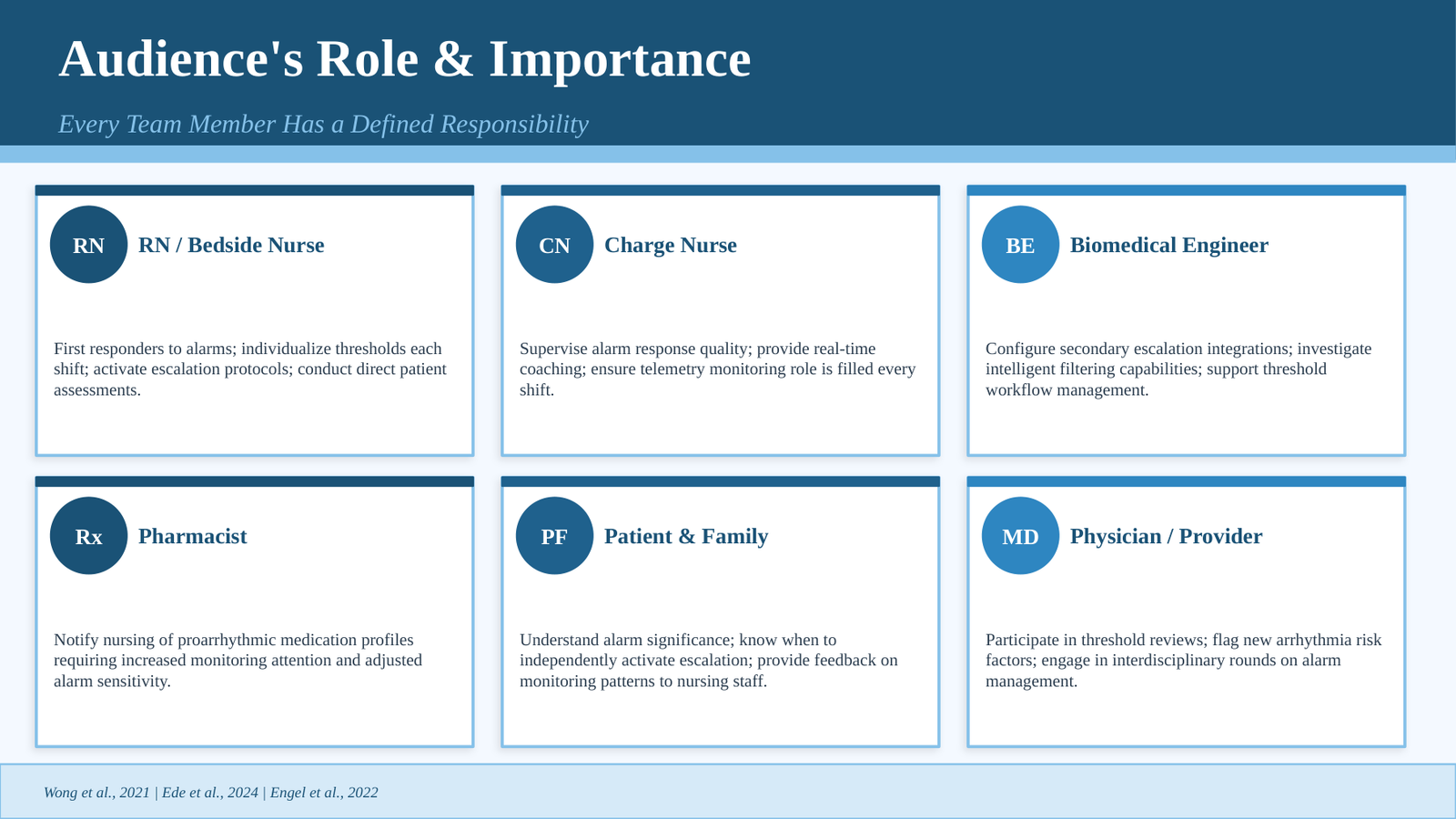
All members of the interdisciplinary team have defined responsibilities related to the successful implementation of alarm management within the organization, which is built on the operational foundation of alarm management's effective implementation. Registered nurses (RNs) at the bedside are the first responders to alarms, and they are responsible for individualizing safe and effective thresholds through review and documentation of patient-specific parameter ranges every shift, conducting direct assessments of patients in response to ongoing alerts, and activating the escalation protocols when alarm patterns occur that indicate potential clinical deterioration (Wong et al., 2021). Biomedical engineers provide the technical expertise needed to set up secondary escalatory notification integrations, investigate intelligent filtering capabilities, and assist with managing individual unit threshold management workflow. Pharmacists notify nursing staff of proarrhythmic medication profile patients who will require increased monitoring attention and adjustments to alarms sensitivity. Charge nurses have the supervisory accountability for monitoring the quality of the alarm responses from the nursing staff for their assigned shifts, provide ongoing coaching to staff near real-time, and ensure that the telemetry monitoring role is filled and monitored throughout each shift (Ede et al., 2024). Patients and family members play an active role by understanding the potential significance of alarms, understanding when to independently activate an alarm, and providing feedback regarding monitoring patterns to RNs during the assessment of the patient.
Slide: 11
New Process and Skills Practice
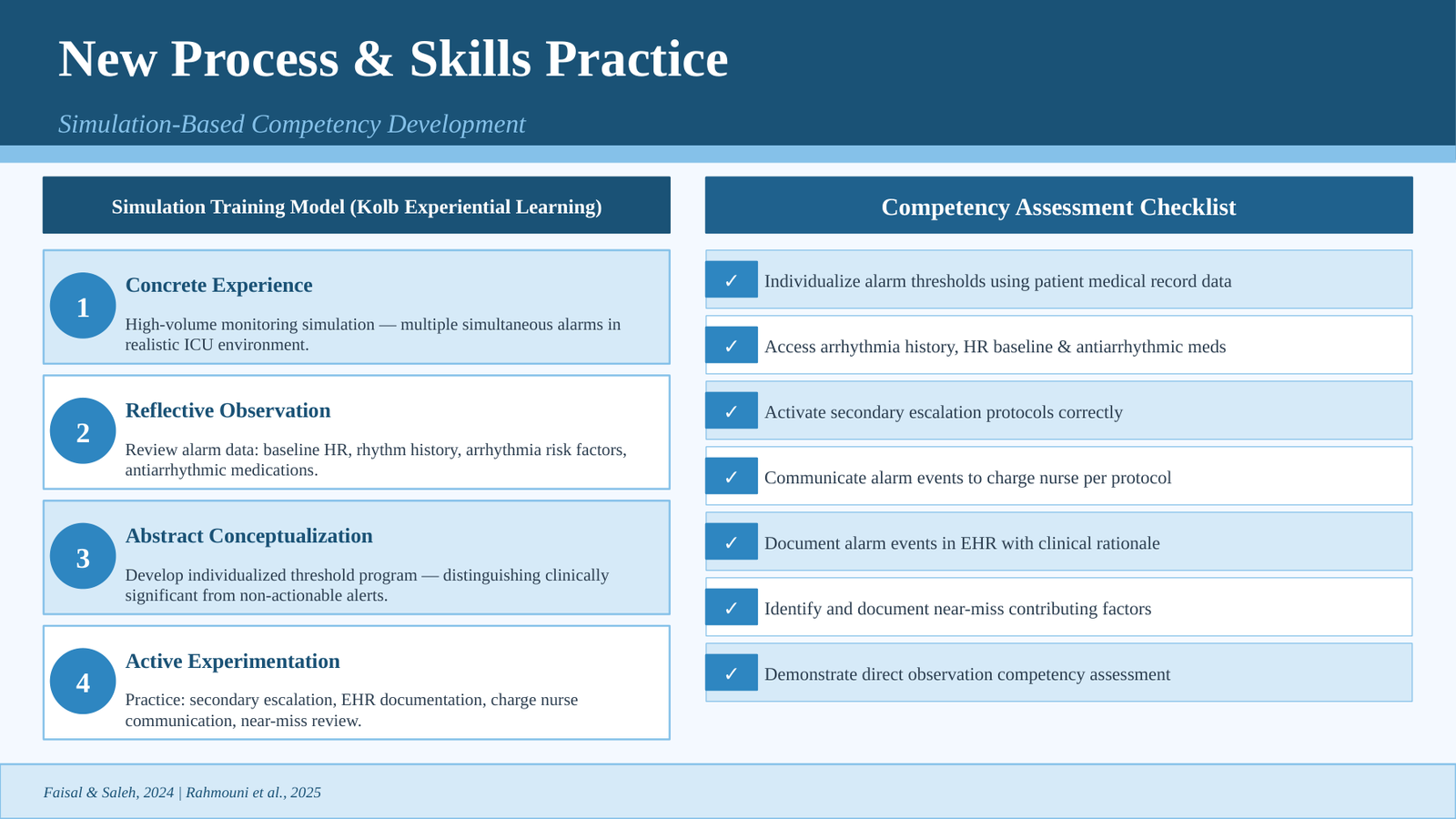
Every staff member must create an individualized threshold program for alarms, have a series of structured behaviors to respond to alarms in a safe manner, engage in secondary escalation procedures when responding to alarms, and participate in a collaborative manner when monitoring patient safety. To achieve these goals and prepare for their tasks, nurses will engage in simulated practice scenarios where they will experience high-volume monitoring with multiple alarms going off simultaneously. During these sessions, they will use clinical data to develop a threshold individualized alarm program that can deliver both clinically significant alert notifications and non-actionable alert notifications while maintaining the ability to detect actual patient deterioration during the defined timeframes for response (Faisal & Saleh, 2024). In addition, staff will demonstrate competency in the individualized alarm threshold process by accessing information about the patient through their medical record, including baseline heart rate, heart rhythm history, several risk factors for arrhythmias, and current use of antiarrhythmic medications. Additionally, simulation exercises will be performed to reinforce the standard operating procedures for initiating secondary escalation procedures and communicating to the charge nurse when an alarm event occurs, as well as how to document the alarm event in the electronic health record (EHR) system with an appropriate rationale. Furthermore, the suspected alarm-related near-miss incidents will be reviewed and all possible contributing factors will be identified and documented, and every effort will be made to change and improve the processes that lead to a near-miss event prior to causing an actual harm (Rahmouni et al., 2025).
Slide: 12
Soliciting Feedback
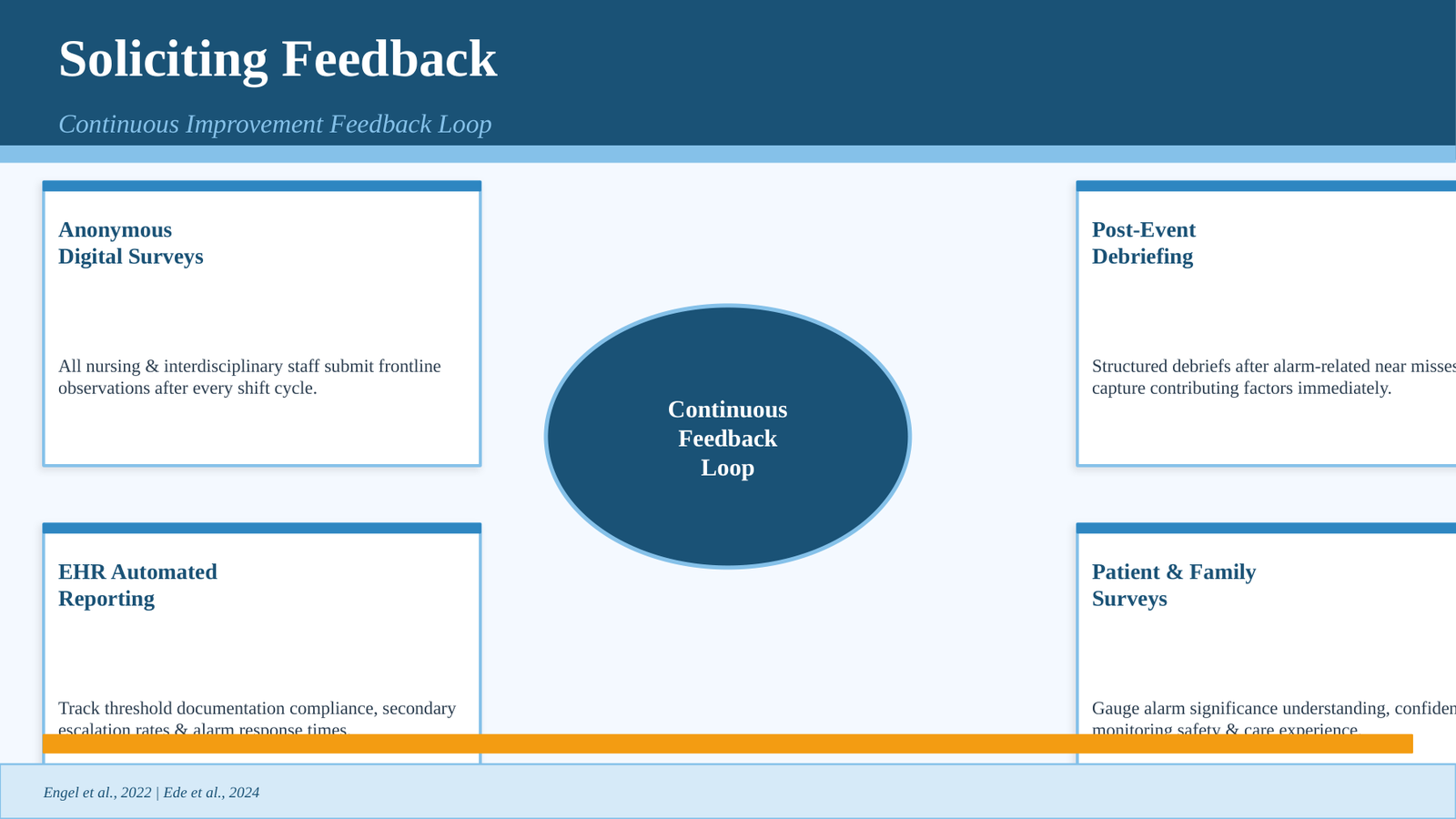
The continuous feedback mechanism will serve to help maintain progress in alarm management and will continue to allow for adapting these processes to the new demands of the operational reality in the cardiac intensive care unit (ICU) or similar monitored care environments. All staff (nursing and interdisciplinary) will be encouraged to submit their frontline observations through anonymous digital surveys, structured post-event debriefing sessions after alarm-related near misses, and interdisciplinary quality improvement committees will meet monthly to use frontline experience to revise and refine existing protocols. Compliance with documentation of individualized thresholds, rates of secondary escalation activations, and alarm response times will be assessed through automated reporting from each participant's electronic health record and through direct observation rounds by the unit charge nurse and/or unit champion. These evaluations will be complementary and will allow for timely and constructive coaching, as well as identify system-level barriers to ongoing compliance with protocol (Engel et al., 2022). Surveys of the patient/family experience will provide information about: alarm significance; response to monitoring alerts; and the level of confidence in the safety of the monitored care environment, thus providing outcome-oriented feedback linking process changes to the quality of the patient experience.
Slide: 13
Conclusion
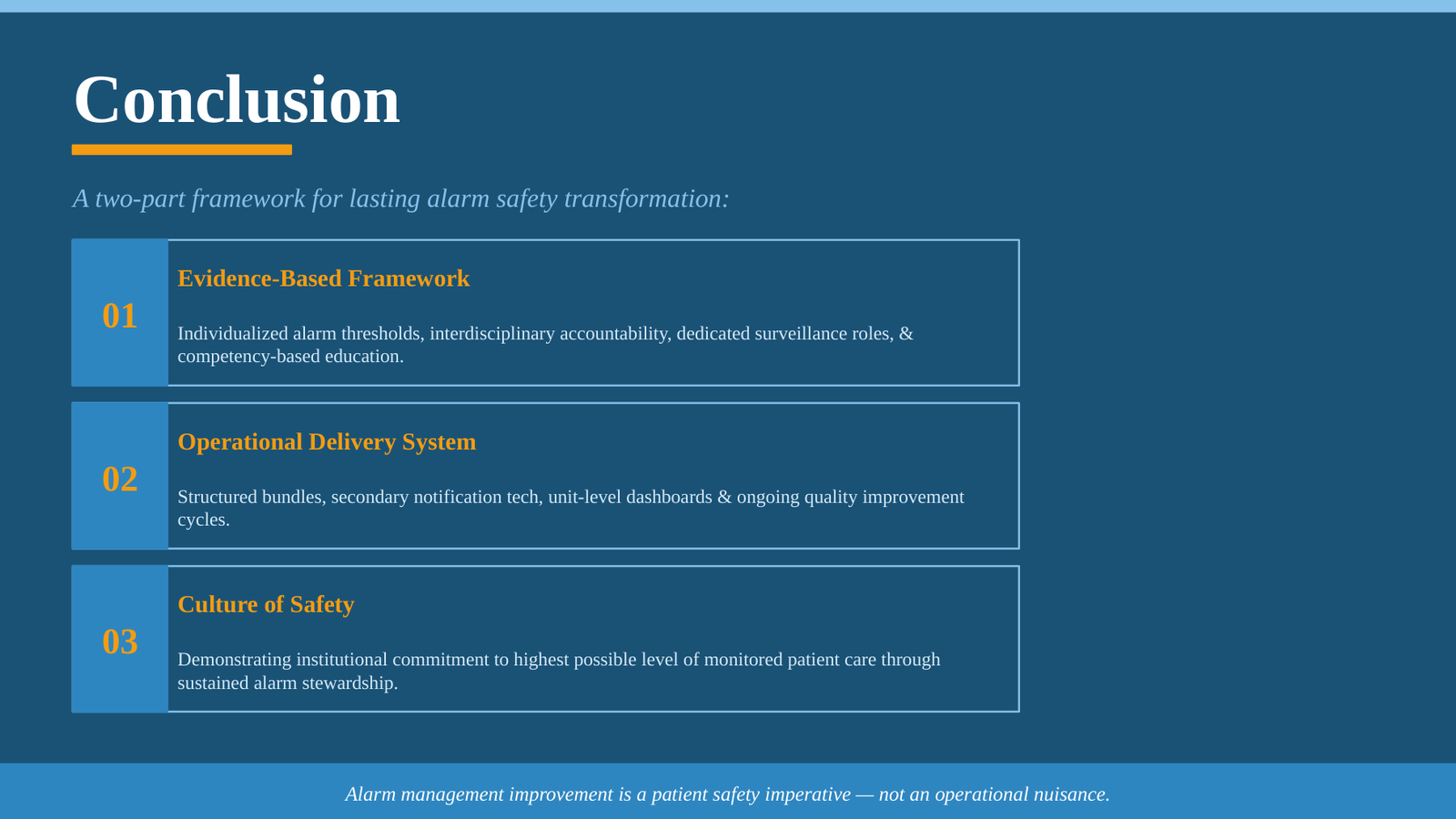
An alarm management improvement initiative has two parts: building a framework for improving alarm management and incorporating the objectives of alarm management into the structure of an ongoing operational delivery system. Ultimately, this approach emphasizes evidence-based decision-making with respect to individualizing alarm thresholds, establishing interdisciplinary accountability for escalating patient alarms to appropriate members of the healthcare team, creating dedicated roles for surveillance of alarms and effective education for long-term competency based on the clinical challenges of high-acuity patients undergoing cardiac monitoring. Alarm management improvement strategies allow healthcare teams to utilize proven alarm stewardship approaches such as structured management bundles, use of secondary notification technology, simulated competency-based education, and unit-level dashboards to successfully reduce the rate of adverse alarm-related incidents, while demonstrating the institution's ongoing commitment to providing the highest possible level of monitored patient care.
Slides: 14
References
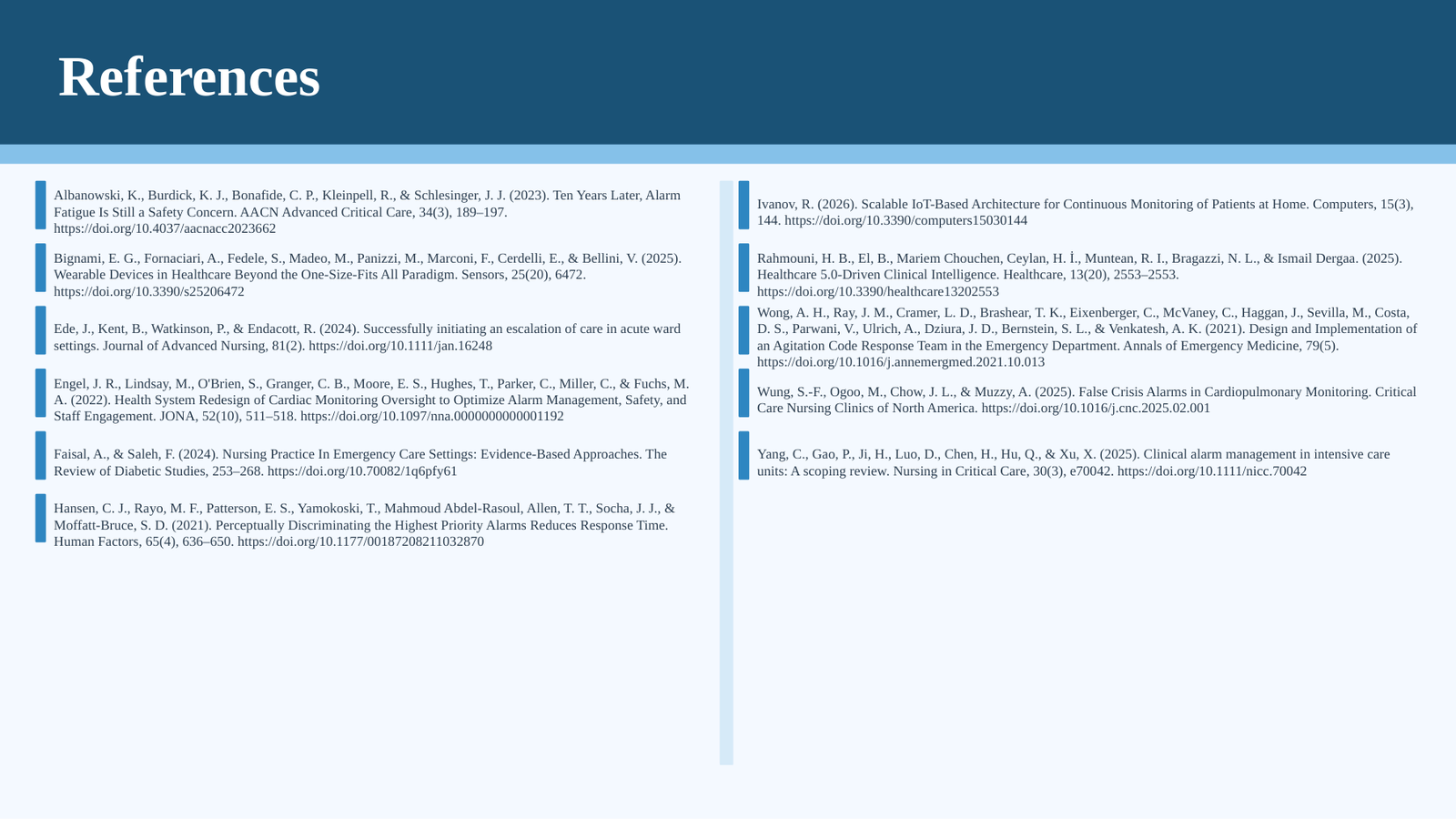
Albanowski, K., Burdick, K. J., Bonafide, C. P., Kleinpell, R., & Schlesinger, J. J. (2023). Ten Years Later, Alarm Fatigue Is Still a Safety Concern. AACN Advanced Critical Care, 34(3), 189–197. https://doi.org/10.4037/aacnacc2023662
Bignami, E. G., Fornaciari, A., Fedele, S., Madeo, M., Panizzi, M., Marconi, F., Cerdelli, E., & Bellini, V. (2025). Wearable Devices in Healthcare Beyond the One-Size-Fits All Paradigm. Sensors, 25(20), 6472. https://doi.org/10.3390/s25206472
Ede, J., Kent, B., Watkinson, P., & Endacott, R. (2024). Successfully initiating an escalation of care in acute ward settings—A qualitative observational study. Journal of Advanced Nursing, 81(2). https://doi.org/10.1111/jan.16248
Engel, J. R., Lindsay, M., O’Brien, S., Granger, C. B., Moore, E. S., Hughes, T., Parker, C., Miller, C., & Fuchs, M. A. (2022). Health System Redesign of Cardiac Monitoring Oversight to Optimize Alarm Management, Safety, and Staff Engagement. JONA: The Journal of Nursing Administration, 52(10), 511–518. https://doi.org/10.1097/nna.0000000000001192
Faisal, A., & Saleh, F. (2024). Nursing Practice In Emergency Care Settings: Evidence-Based Approaches. The Review of Diabetic Studies , 253–268. https://doi.org/10.70082/1q6pfy61
Hansen, C. J., Rayo, M. F., Patterson, E. S., Yamokoski, T., Mahmoud Abdel-Rasoul, Allen, T. T., Socha, J. J., & Moffatt-Bruce, S. D. (2021). Perceptually Discriminating the Highest Priority Alarms Reduces Response Time: A Retrospective Pre-Post Study at Four Hospitals. Human Factors, 65(4), 636–650. https://doi.org/10.1177/00187208211032870
Ivanov, R. (2026). Scalable IoT-Based Architecture for Continuous Monitoring of Patients at Home: Design and Technical Validation. Computers, 15(3), 144. https://doi.org/10.3390/computers15030144
Rahmouni, H. B., El, B., Mariem Chouchen, Ceylan, H. İ., Muntean, R. I., Bragazzi, N. L., & Ismail Dergaa. (2025). Healthcare 5.0-Driven Clinical Intelligence: The Learn-Predict-Monitor-Detect-Correct Framework for Systematic Artificial Intelligence Integration in Critical Care. Healthcare, 13(20), 2553–2553. https://doi.org/10.3390/healthcare13202553
Wong, A. H., Ray, J. M., Cramer, L. D., Brashear, T. K., Eixenberger, C., McVaney, C., Haggan, J., Sevilla, M., Costa, D. S., Parwani, V., Ulrich, A., Dziura, J. D., Bernstein, S. L., & Venkatesh, A. K. (2021). Design and Implementation of an Agitation Code Response Team in the Emergency Department. Annals of Emergency Medicine, 79(5). https://doi.org/10.1016/j.annemergmed.2021.10.013
Wung, S.-F., Ogoo, M., Chow, J. L., & Muzzy, A. (2025). False Crisis Alarms in Cardiopulmonary Monitoring: Critical Care Nursing Clinics of North America. https://doi.org/10.1016/j.cnc.2025.02.001
Yang, C., Gao, P., Ji, H., Luo, D., Chen, H., Hu, Q., & Xu, X. (2025). Clinical alarm management in intensive care units: A scoping review. Nursing in Critical Care, 30(3), e70042. https://doi.org/10.1111/nicc.70042